Scaffolding Planks






Results for Scaffolding Planks
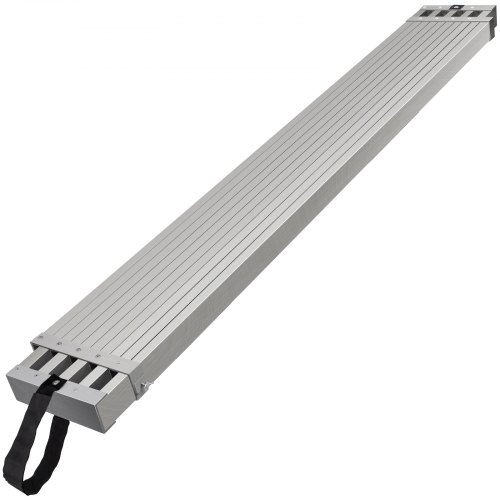
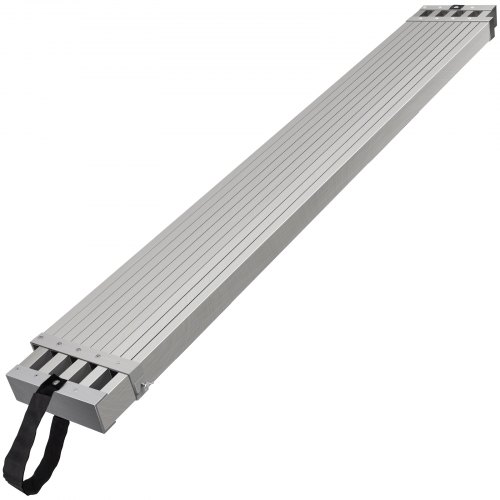
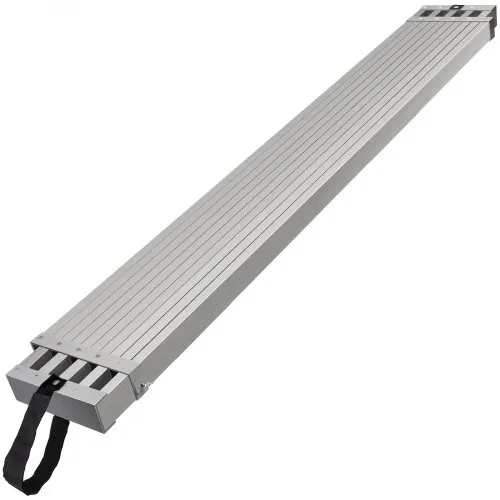
Check out the whole line of VEVOR metal scaffolding panels made for painters, drywallers, roofers, and people who like to do home improvements on the weekends. There are fixed-length aluminium plank options, telescoping models that can be changed at any time, and heavy-duty scaffold platform boards that can handle heavy loads on the job site. Extruded metal is light and easy to carry, and ribbed decks improve traction when wet. This collection has everything you need for indoor, outdoor, and raised staging at prices that will not break the bank. It includes work on indoor ceilings, outdoor siding, and gutters.
VEVOR Aluminum Scaffolding Planks for Safe, Flexible Work Platforms at Any Height
Need to cross two ladders to work on the roof or scaffold frames to work on the siding? With VEVOR aluminum scaffolding planks, you can walk on a stable, rust-proof surface that adjusts to fit the space in front of you. Instead of unstable makeshift platforms, these boards give you a stable surface every day, whether you are painting a stairwell, hanging drywall, or trimming a window on the second floor.
Choosing the Right Length: 9, 13, and 15 Foot Telescoping Planks
Everything about a plank depends on its length, and choosing the right one will save you money and trouble. In practice, each size serves a different purpose.
9 Foot Aluminum Scaffold Plank for Tight Interiors
For hallways, bathrooms, stairwells, and bedroom ceilings where a longer board will not fit around a corner, a 9 foot aluminum scaffold plank is the best choice. They can fit in a hatchback, a cargo shelf, or a closet between jobs because most of the small ones fold down to about 5 feet. Painters like this size because it is easy to cut crown molding across an 8- to 10-foot room without moving the ladder six times.
Drywall finishers use it to reach cracks easily and keep both hands free to hold a knife and a pan. Most decks are 12 to 14 inches wide, which is wide enough to shuffle sideways without looking down. If you put a properly rated 9-foot board between two ladder jacks or a pair of sawhorses, it can hold one worker, a bucket, tools, and supplies, with extra space for safety.
13 Foot Spans for Mid-Size Rooms and Garage Work
For most home builders, the 13 foot aluminum scaffold plank is just the versatile length. It spans a normal scaffold frame without forcing you to add a third support in the middle of your work area. It spans a living room, a two-car garage bay, and more. This class of telescoping versions usually folds down to about 7.5 feet, which means they can still fit into a pickup bed with the tailgate up. Most extensions have spring-loaded buttons that lock the extension in 6 or 12 inch steps. This lets you set the exact span instead of just settling for "close enough."
This is where aluminum scaffold boards really save time. Set it up once, walk the whole way, and finish a whole wall of trim or a section of ceiling grid before you go down. Most of the time, one 13-foot board is enough for a homeowner to do a garage epoxy job, upgrade the insulation, or add shop lighting.
15 Foot Reach for Exterior and Commercial Jobs
The 15 foot aluminum scaffold plank takes over when the job goes outside. Teams that install siding, gutters, soffits, and stucco need to cover long horizontal runs. Shorter spans mean more setup steps and more lost hours. Fully stretched out, these staging planks can span from end to end across a standard scaffold bay or between two extension ladders set at the same height. While longer spans naturally bend more under load, manufacturers strengthen the extrusion with deeper side rails and internal ribbing to keep the deck rigid.
Use a truck rack or a trailer wall to store the board when it is not in use. Because aluminum walkboards don't rust, being outside in the weather between jobs will not damage them as wood staging can. Most crews only do a quick rinse and dry as maintenance, even after a season of working outside in a coastal or wet environment.
How Telescoping and Extension Mechanisms Work
A telescoping aluminum work plank has nested inner and outer pieces that slide along machined channels. At set intervals, push-button pins fit into pre-drilled holes and click into place. This sound lets you know that the lock is fully closed. When using a dual-extension model, extend both ends the same amount of time so the overlap stays even. Uneven extension puts more stress on one joint and lowers the assembly's useful load rating.
Before you climb on any extension staging plank, walk its length to make sure that all of the pins are in place and that each overlap is at least as long as marked on the rail. Manufacturers put that minimum there for a reason. Keep the channels free of drywall dust, sand, and dried paint, as these are the main things that make it hard to adjust aluminum scaffolding planks. Use a dry silicone spray twice a season to keep things running smoothly. It does not attract dirt like oil-based lubricants do.
Duty Ratings and Skid-Proof Decking on Aluminum Scaffolding Planks
Length helps you reach the work, but the load grade and grip keep you safe. People should pay more attention to these two specs than they often do.
Understanding Duty Ratings and Load Capacity
The duty rating accounts for not only the worker's body weight but also the weight of all the tools and materials they use. A worker who weighs 190 pounds on a 250-pound board leaves only 60 pounds for a paint bucket, a compound pan, and a cordless tool. This is less space than most people think. Ratings also change with span. When extended to its full 15 feet, a heavy duty scaffold platform that can hold 375 pounds across 8 feet may drop a lot, so read the chart on the rail instead of the listing's top number. Aluminum walk planks with a good reputation publish both.
Find the rating that fits your worst-case situation, then add some room for error. For two people to use, the board must be approved for multiple occupants, which most single-plank staging is not. When in doubt, go up in size or add a center support to shorten the span.
Skid-Proof Surfaces and Everyday Safety Practices
The punched, ribbed, or perforated deck of a skid-proof platform scaffold plank keeps water and dust away from the walking surface. In situations that lead to falls, such as morning dew, overspray, sanding dust, and winter damp, that texture is very important. Before each use, check the hooks or claws at the ends. They should not rock and should sit fully over the ladder rung or scaffold ledger. If the hook is bent, the plank is no longer usable. Check the deck for cracks, broken welds, and pin holes that are too long.
Because aluminum conducts electricity well, keep aluminum scaffolding planks away from live electrical work. Lay flat or hang extendable aluminum staging planks on brackets instead of leaning them in a corner, where they can bend over time. A quick check is much more likely to keep you safe than any label rating.
Why Choose VEVOR Aluminum Scaffolding Planks?
VEVOR offers a wide range of working heights with telescoping and fixed aluminium walk boards, scaffolding panels, and heavy-duty staging choices. The boards range from small 9-foot ones to full 15-foot exterior spans. You get construction that does not rust, decking that will not slip, and load ratings that are easy to read without having to pay the high markups that contractors usually pay. Every buy comes with clear pricing, quick customer service, and a simple warranty. Browse the collection now to get a safer, more useful base for your next job.
FAQs
Which length of metal plank should I get first?
Most people will be happy with a 13-foot extendable tree. It spans rooms and garage bays, folds down small enough for a pickup bed, and adjusts to fit tighter spaces without a second board.
Two people can stand on one plank, right?
Only if the board is rated for two people; most single staging planks can hold one worker and their tools. Before adding a second person, check the load chart on the rail.
Do metal walk planks rust outside?
No, aluminum does not rust; instead, it forms a protective oxide layer. This means that storing the board outside or using it in wet weather will not damage it. Allow it to dry completely after washing off salt, mortar, or paint.
What can I do to keep the extending parts from getting stuck?
After each job, clean out the ducts of drywall dust, sand, and dried paint. A couple of times a season, use a dry silicone spray. Oil-based lubricants will trap grit inside.
Are these boards safe to use near electrical work?
Not at all. Because aluminum conducts electricity, keep the pieces away from live wires, service drops, and overhead lines. For tasks that involve moving electrical parts, use a fiberglass base instead.