Roof Flashing




Results for Roof Flashing
VEVOR offers a wide selection of roof flashing for roofers, contractors, and homeowners seeking waterproofing solutions that keep rain out and protect vulnerable roof transitions from damage. Our assortment covers all of your weatherproofing needs, whether you need to seal pipe penetrations, protect roof valleys, or finish roof edges correctly. Each product offers reliable protection against harsh weather and high temperatures during the changing seasons, from flexible pipe boots to rigid metal edging. Customers prefer VEVOR roof edging because it is affordable and built to last, keeping water out for years of exposure to the elements.
VEVOR Roof Flashing for Leak Prevention, Structural Protection, and Long-Term Weatherproofing
Are you looking for waterproofing materials that will seal up key roof joints where water often seeps in during rain? Quality roof flashing protects the weak spots where roofing materials meet walls, penetrations, and transitions that regular shingles can’t protect on their own. VEVOR makes roof flashing that is carefully designed to solve specific sealing problems and last for a long time when exposed to the elements. Our selection meets a wide range of needs, from minor repairs to full roof installations that need complete flashing systems.
Flashing Type, Application Categories, and Configuration Options
Knowing the different types of flashing helps buyers choose the right solutions for their individual sealing needs and installation scenarios. VEVOR groups roof flashing into useful categories that meet different needs, from sealing penetrations to finishing edges, to assist whole roof weatherproofing programs.
Penetration Sealing Solutions
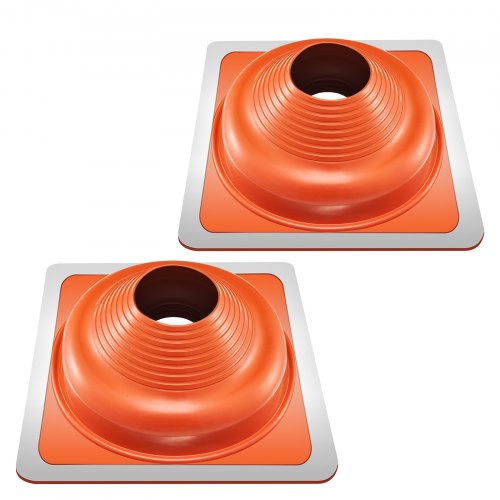
Vent pipe flashing ensures that plumbing vents, exhaust pipes, and other vertical openings through roof surfaces are sealed to prevent water from entering. Flexible bases fit the roof's shape, while collar parts seal tightly against the outside of the pipe. Roof flashing for penetrations fixes common leaks in both residential and commercial roofing systems.
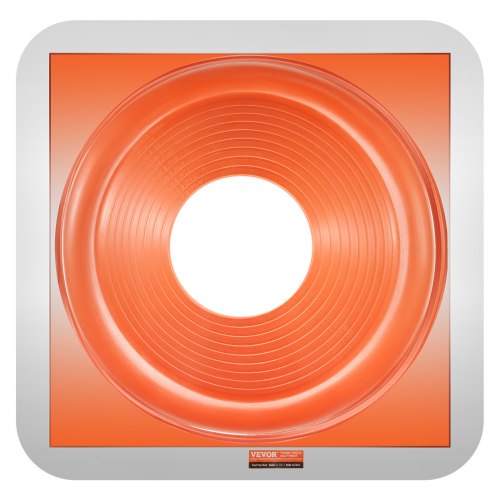
Roof pipe flashing boot designs feature adjustable or pre-sized collar configurations that accommodate different pipe diameters and meet various penetration requirements. The material’s elasticity allows for optimal sealing, and its robust construction withstands year-round weather exposure. Roof flashing boots are important for sealing penetrations during roof installations.
To install penetration roof flashing correctly, it needs to be placed under the upper shingles and overlap the lower courses properly. Correct integration ensures that water flows over the flashing rather than under it, preventing infiltration. Properly designed roof flashing protects penetrations throughout the roof's life.
The choice of materials for penetration flashing affects its lifespan, as it is always exposed to sunlight and subject to seasonal temperature changes. Materials that resist UV rays reduce material degradation, while flexible compounds maintain seals even as components expand and contract with temperature changes. Roof flashing made of the right materials provides long-lasting protection against penetration.
Transition Flashing Systems
Step flashing creates waterproof transitions between roof surfaces and vertical walls by using overlapping metal pieces built into shingle courses. Sequential installation weaves flashing into roofing materials, and making sure the flashing overlaps properly ensures that all the water runs off. Step flashing on roofs effectively protects important wall-to-roof connections.
When installing step roof flashing on the side of a building, pay close attention to how it interacts with both the roofing and siding materials to ensure the building is completely weatherproof. To keep walls from getting too wet, the right kickout directs water into gutters. To maintain protection across joints, the correct overlap is needed. Flashing on the roof that covers the sides of the walls protects both the roof and the walls.
Valley flashing conducts water that flows down roof planes that meet in the middle into protected troughs. It prevents water from entering at these high-volume drainage sites. Metal valleys can hold a lot of water and, when installed correctly, won’t cause damming or overflow. Roof flashing for valley applications meets important drainage needs.
The way the valley is set up in roof flashing systems might be open metal, woven, or closed-cut, depending on what looks and works best for you. Each method protects the installation, but the installation's intricacies determine its appearance and performance. Different roof flashing valley methods work best for different roof types.
Edge Protection Components
Drip edge flashing finishes the roof edges with metal edging that properly directs water away from fascia boards and into gutters. Angled profiles make edges clear, and extended flanges keep the wood parts underneath them safe from moisture damage. Flashing along the roof's edges is an important part of protecting the perimeter during roof installations.
Drip edge flashing for rakes and eaves uses the same parts, fitted at multiple locations along the roof’s edge, to address different edge conditions. Proper termination at corners keeps protection in place, and working with gutter systems improves drainage. Edge flashing helps weatherproof the entire perimeter.
The thickness of the edge flashing material determines its durability and wind resistance when exposed to the elements. Heavier gauges are less likely to break, but the right thickness strikes a good compromise between durability and ease of installation. Roof flashing with the right gauge reliably protects the edges.
Material Options and Application Methods for Roof Flashing
In addition to choosing the right type of flashing, knowing how to mix and apply materials correctly ensures that purchases meet the exact needs of the installation. VEVOR roof edging uses a variety of materials and application characteristics to work with different types of roofs.
Material Construction Options
Aluminum roof flashing is a lightweight, rust-resistant option that works for most residential applications without worrying about galvanic issues. Easy forming lets you shape things in a way that is unique to you, and natural oxidation makes surfaces that protect. Aluminum roof edging works well for most waterproofing needs.
Galvanized steel roof edging is strong and long-lasting because it is made of zinc-coated steel that can withstand harsh conditions for extended periods. Strong construction can withstand physical stress, and protective coatings can effectively prevent corrosion. Roof flashing made of galvanized steel offers long-lasting protection.
Roll flashing is a flexible sheet material that can be cut and shaped to fit a wide range of roofing project needs. Continuous material works in special conditions, and workability makes installation easier. Roof flashing in rolls can be used in many different ways.
Flexible roof edging is made of rubber and synthetic materials that can move and conform to uneven surfaces, unlike stiff metal flashing. Elastomeric compounds keep seals even when they expand due to heat, and they can be shaped to fit difficult shapes. Flexible roof flashing works well for irregular or moving joints.
Sealing and Adhesive Products
Waterproof patch and seal tape sticks to itself and keeps water out of repairs, seams, and extra sealing on roofs. Peel-and-stick application makes installation easier, and flexible materials seal uneven surfaces well. Roof flashing and tape materials together meet a wide range of sealing needs.
Deck joist tape keeps structural lumber safe from water damage during deck and outdoor building projects that go beyond regular roofing. Self-adhesive application protects weak wood surfaces, and the waterproof composition prevents rot. Roof flashing tape goods protect other parts of the building as well.
When installing roof edging, it’s important to ensure the sealant is compatible with the materials used so adhesion doesn’t break down or wear over time. Using the right sealants makes things more watertight, and using solutions that work together keeps things strong over time. When used with the right sealants, roof flashing makes the whole roof waterproof.
Installation Considerations
Proper overlap in roof flashing installations ensures that water flows over joints rather than between parts during rain. Proper location keeps protection on all roof surfaces, and enough covering stops bypassing. Roof flashing installed with proper overlap performs more reliably.
There are other ways to fasten roof flashing, such as nailing it down or using glue, depending on the type of flashing and where it will be installed. Using the right fastening keeps everything in place, and using the right procedure prevents damage, which makes sealing work. When roof flashing is installed correctly, it stays in place throughout its use.
To properly layer and shed water, roof edging must be installed at the same time as shingles. Sequential installation maintains the weatherproofing, and paying attention to detail ensures full protection. Properly installed roof flashing protects the entire roof construction.
In roof edging applications, code compliance means following local rules on materials, procedures, and coverage that govern how the installation is performed. Following the rules ensures inspections occur and that appropriate installations protect property investments. Roof flashing that meets code criteria fulfills legal duties.
Why Choose VEVOR Roof Flashing?
VEVOR offers a full range of roof flashing that meets all weatherproofing needs, from sealing penetrations to protecting edges, to support waterproof roofing systems in a variety of situations. Our range strikes a balance between high-quality construction and affordable prices, ensuring roofing material expenditures without going overboard and making proper weatherproofing impossible. A competitive price ensures that materials remain strong, seal well, and last as long as professionals expect from crucial roofing components. VEVOR roof flashing works great on houses, businesses, farms, and anywhere else where keeping water out of precious property is important. Browse our inventory today and get roof edging that keeps your roof safe and strong for a long time.
FAQs
What flashing material suits most residential roofs?
Aluminum roof edging works well for most homes because it doesn’t rust and is easy to work with. Galvanized steel lasts longer in tough environments.
How long does properly installed flashing last?
When installed and maintained correctly, good roof edging can last 20 to 30 years or more. The quality of the materials and the way we put them together have a big effect on how long they last.
Can I install roof edging myself?
Basic repairs are OK for anyone who knows how to do them, but major installations are better left to professionals. To install roof edging correctly, you need to know how to make water flow away.
How do I identify failing roof edging?
If you see water stains, rust, raised edges, or damaged sealant on your roof, you may have flashing difficulties. Flashing parts that don’t work are generally to blame for leaks inside during rain.
Does flashing color matter for roof appearance?
Color coordination between visible roof edging and roofing materials is helpful. Concealed flashes put performance first, whereas exposed areas should be looked at for their looks.