Plastic Pavers

















Results for Plastic Pavers
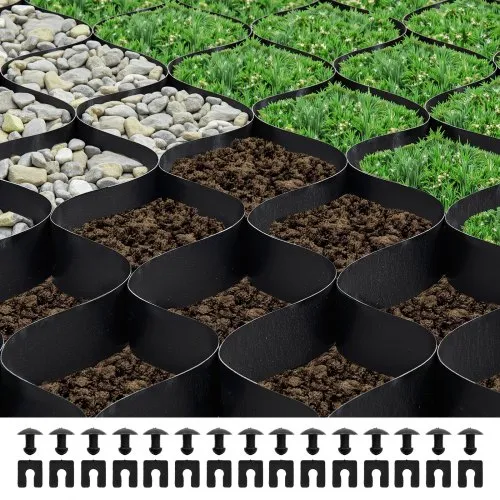
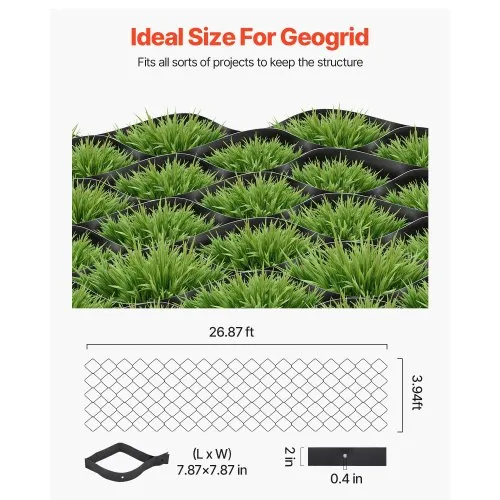
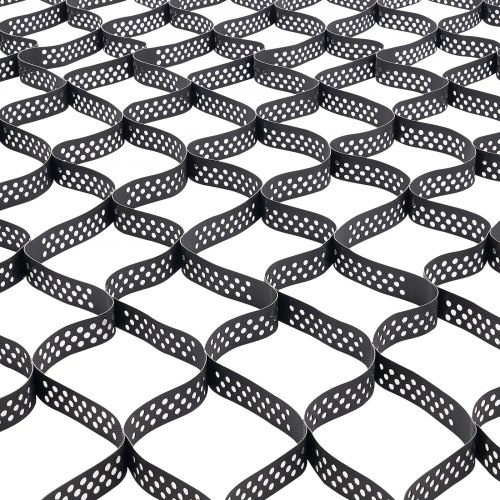
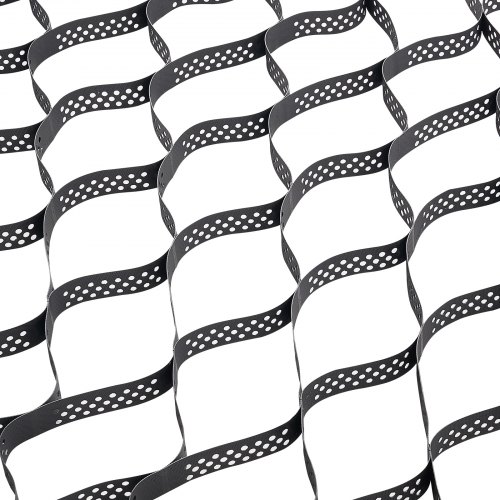
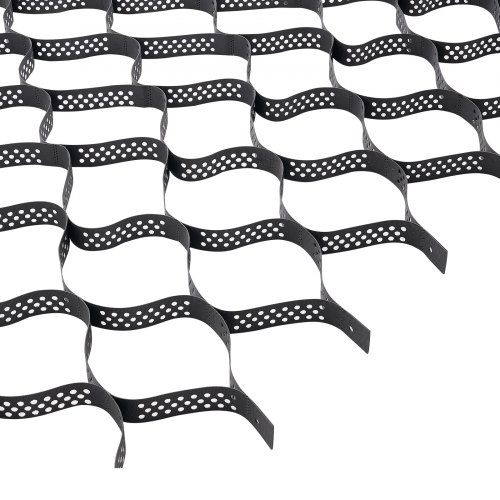
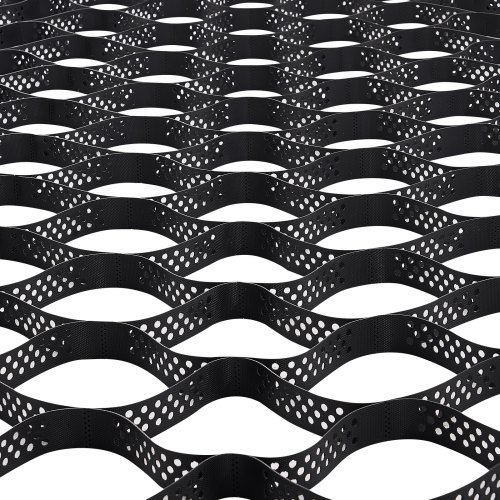
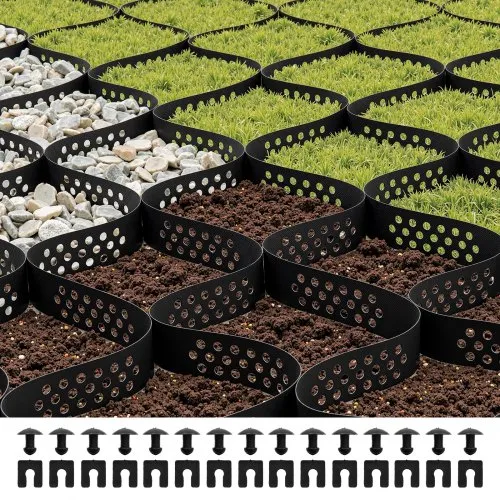
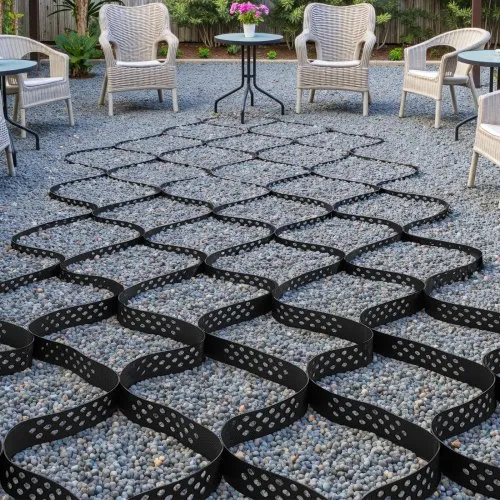
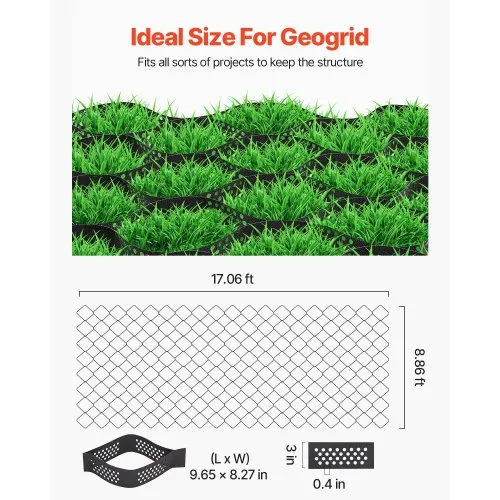
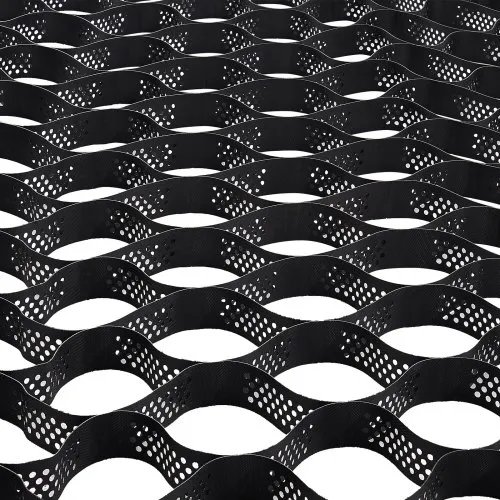
Explore a wide range of plastic pavers designed to stabilize gravel, grass, and mixed-use surfaces. VEVOR has interlocking HDPE panels with grid depths of 2 inches, 3 inches, and 4 inches. These panels can handle loads ranging from foot traffic to fully loaded RVs. These depths and panel sizes will work for your subgrade, drainage needs, and expected traffic, whether you are building a gravel driveway, fixing a muddy paddock gate, laying an overflow parking area, or creating a permeable garden path.
VEVOR Plastic Pavers for Driveways, Paths, and Grass Reinforcement
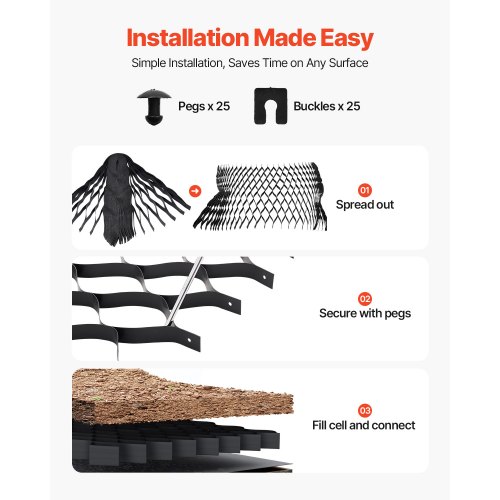
Are you sick of raking gravel back into place every spring or watching your yard turn to mud where cars park? A cellular confinement system keeps the aggregate in place and spreads the load over the subgrade so it does not rut. With VEVOR plastic pavers, you can fix gravel moving around, ponding, and soft ground all at once. You can install them with hand tools in an afternoon.
Choosing Grid Depth and Application for Your Surface
Load capacity and fill volume depend on depth, while cell size and fill choice depend on application. That way, the surface stays fixed for ten years instead of just one season.
2-Inch Grids for Paths, Patios, and Light Foot Traffic
In general, a 2-inch gravel grid is the minimum depth and works best for light loads. This depth is good for garden paths, side yards, patio edges, dog runs, and shed bases. Less digging helps save time and effort.
Use a smaller stone because the cells can only hold so much aggregate. 1/4" to 3/8" angled chip locks in place better than pea gravel and will not move around when you walk on it. One person can easily carry a full pallet's worth of these plastic garden grids across a yard, since each square foot weighs less than a pound.
A 2-inch system requires 4 to 5 inches of digging: a 2-inch hardened floor, then the grid itself filled to the top. When the ground is firm, you can often skip the base and just put the grid on a leveled bed of sand. In lawns that do not get much foot traffic, this is also the depth most people use for a grass paver grid. This way, grass roots can grow through the cells, and the plastic will not show below the blade line.
3-Inch Grids for Driveways and Regular Vehicle Traffic
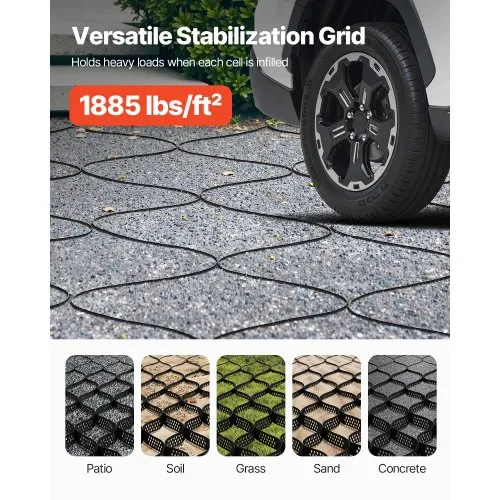
For everyday flow with cars, light trucks, and foot traffic, move up to a 3-inch gravel grid. This is the most common depth for residential driveways. The extra inch of confinement makes a big difference in how the surface handles tires turning on it.
What breaks down unreinforced gravel is turning it. When a car turns in place, it pushes loose stones to the side, creating the bald spots and berms everyone with a gravel drive knows. Plastic driveway grids stop that movement completely because each cell's walls hold the aggregate in place.
Under a 3-inch system, you should have a 4- to 6-inch layer of compacted crushed road stone. If you are on clay that holds water, you should add more. Put 3/8" to 3/4" angular crushed stone into the cells and fill them up a little more than halfway so the plastic does not touch the tires directly. At this depth, the four sides of most VEVOR panels connect to each other. This keeps the whole field together so that no single panel can move or lift on its own.
4-Inch Grids for Heavy Loads and Soft Subgrades
RVs, box trucks, tractors, boat trailers, and construction equipment can all drive on a 4-inch gravel grid. You should also choose this depth if your subgrade is really bad, such as peaty soil, a high water table, or ground that stays soft until June.
Deeper cells spread point loads over a larger area. This is how a ground stabilization grid works in general. A truck axle with two wheels that could easily go through two inches of loose stone would not hurt anyone in a properly filled four-inch cell field.
In places where the ground is very soft, put down a knotted geotextile fabric under the base course. Over time, this keeps the stone from slowly falling into the mud below. This failure mode has nothing to do with the grid itself and everything to do with skipping the fabric. For temporary haul roads and equipment laydown yards, contractors use the same mix of geo grid pavers and fabric, which suggests how long-lasting it is.
Gravel, Grass, and Mixed-Use Applications
Different fill types make the same panel useful for different applications. You can make a firm all-weather driving surface by filling it with crushed stone. This grass ground retainer looks like a lawn but can support a parked car. Just fill it with topsoil and seed.
Overflow parking spots, fire lanes, RV pads, and church lots that fill up once a week are all places where grass filling works best. Because turf cannot recover from constant use, cover areas used every day with gravel. Some people run a hybrid system with gravel in the wheel tracks and grass in the middle strip. To maintain a level base, they use the same geogrid throughout.
A horse paddock, a chicken run, or a barn entrance are all undervalued uses. Animals can get hurt in the mud around a gate, but installing a ground grid for gravel eliminates that problem. The grid keeps stones from washing away with each use, which also helps boat ramps and paths that lead to the water.
Permeability and Material Quality in Plastic Pavers
The panels' composition and the way water flows through them determine how long they last and whether they break down after three winters.
Drainage Performance and Stormwater Benefits
Rainwater can soak into permeable pavers rather than run off, which is important for both practical and legal reasons. Pavement breaks when water pools on the ground, soaks it, then freezes and heaves.
If you build the system right, with a crushed-stone base and open-graded fill, it can handle heavy rain without ponding because the open cells give water a place to go right away. You can also meet the impervious-surface limits with permeable geo grids. In many cities, a poured concrete driveway will count against your coverage, but a permeable one might not.
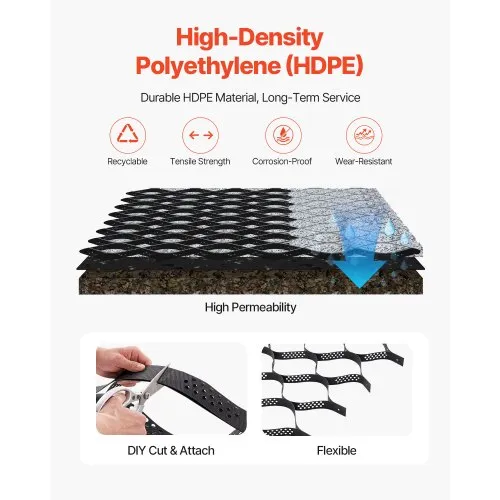
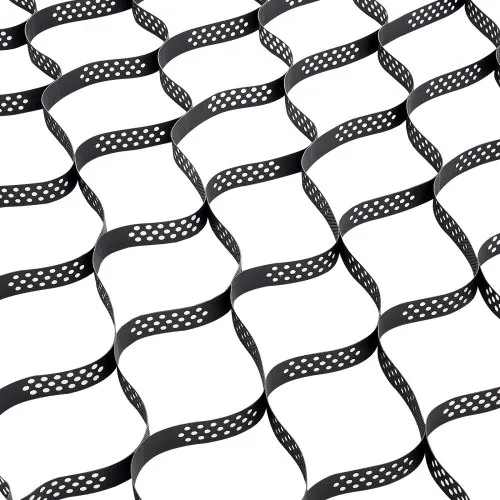
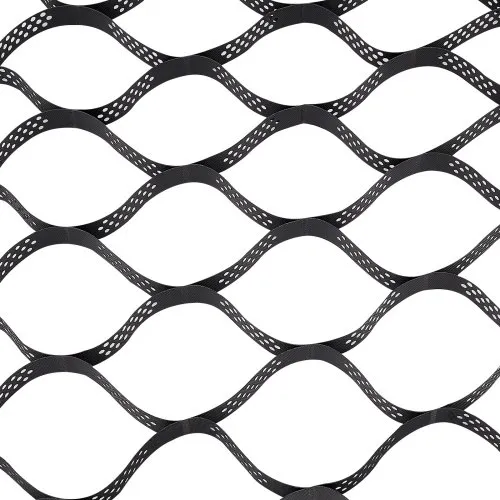
Look for cell walls with holes. With drainage holes in the walls of the geo Grid Mesh design, water can flow from one cell to another without getting trapped in a pocket. If cells get clogged, water will flow along the top rather than down into the base, which is especially important on sloped installations. It also helps with grass installations because roots and water can move easily between cells, rather than each plant living in its own cell.
HDPE Construction, UV Resistance, and Load Ratings
Material quality is the best indicator of how long it will last. High-density polyethylene (HDPE), especially recycled HDPE, does not crack when it gets cold, unlike cheaper polypropylene panels that do after a few freeze cycles.
See if the UV stability claim is true. Panels that are out in the open (like grass installations where the top edge is close to the ground) get sun all the time. Adding carbon black or a similar UV-blocking additive helps keep the plastic from getting chalky and breaking. Most VEVOR gravel grids can handle large temperature fluctuations, from about -40°F to 195°F.
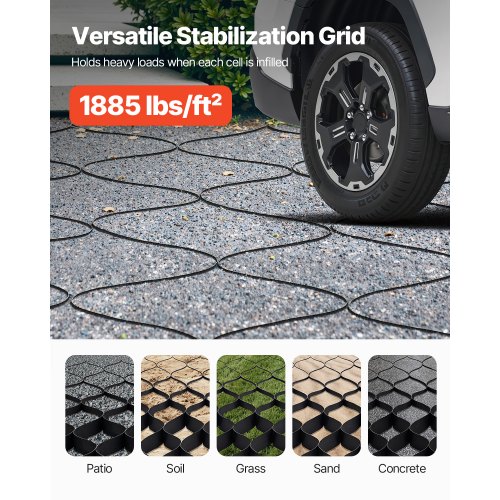
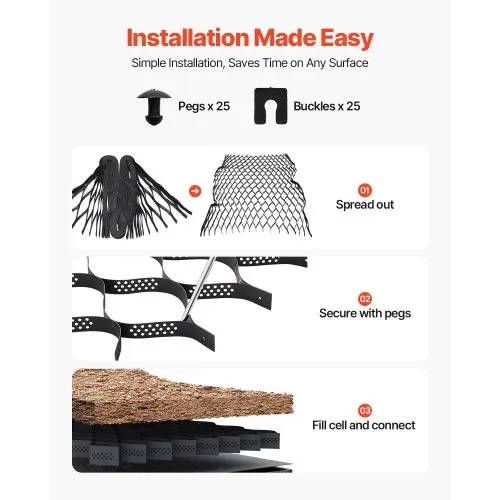
When the cells are full, load ratings are usually given in pounds per square foot, which makes the numbers look huge because the load is distributed across many cells at once. Don't take them as gospel; use them to compare products. Also, look at the panel size and the type of connectors used. Bigger panels are easier to install, and snap-connector edges replace tab-only edges. Anchor stakes around the edges, and every few feet across the field, keep the whole thing from moving backward or forward on any slope.
Why Choose VEVOR Plastic Pavers?
VEVOR offers gravel, grass, and mixed-use ground stabilization in one place. It has shallow 2-inch panels for garden paths and heavy 4-inch grids for RV pads and equipment yards. You get UV-stabilized HDPE construction, four-sided interlocking connectors, perforated cell walls for drainage, and high load ratings at prices much lower than those in landscape supply channels. You also get helpful after-sale customer service and a simple guarantee. Check out the full selection up top, make sure the grid depth fits your traffic and soil, and place your order right away to stop fighting gravel movement for good.
FAQs
What grid depth do I need for a car driveway?
Most driveways for cars and light trucks are three inches deep. For RVs, heavy trucks, or soft ground, choose 4 inches. With two inches, you can only walk on roads and paths.
Do I need a base layer under the grid?
Yes, for driveways with cars, a 4 to 6 inch base of compacted crushed stone is normal. Stairways with little foot traffic that are on firm ground can sit on a leveled sand bed instead.
What gravel size works best in the cells?
Crushed stone that is pointy and between 3/8" and 3/4" large sticks together best. For pathways, round pea gravel is not a good choice because the smooth stones move around when tires turn.
Can I really park a car on grass-filled grids?
Yes, for short-term uses like overflow or weekend parking. If you use your road every day, choose gravel infill instead of grass because it will recover better.
How do I cut panels to fit curves?
You can easily cut HDPE panels with a regular handsaw, a jigsaw, or a heavy-duty tool knife. Scoring and snapping work well for straight lines. For curved edges around beds, use a jigsaw with a fine blade.