Oscillating Tool Blades
Results for Oscillating Tool Blades
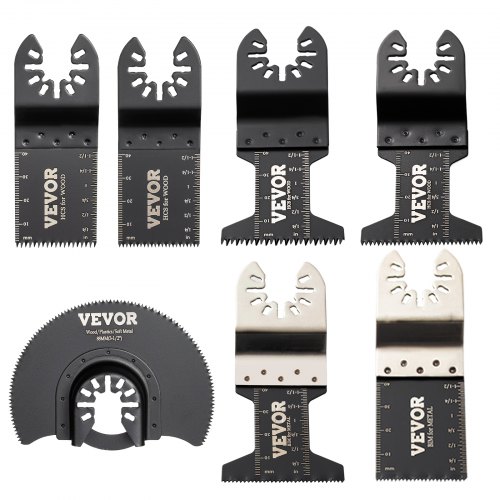
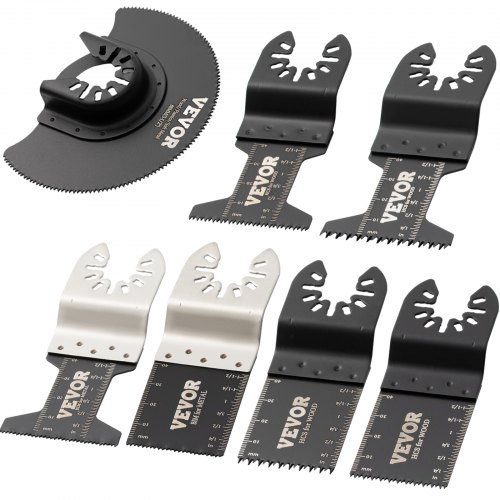
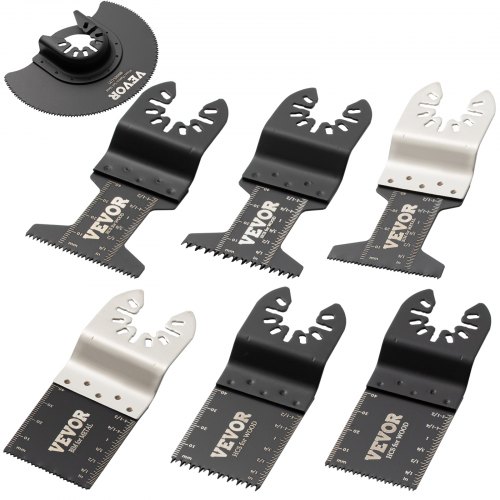
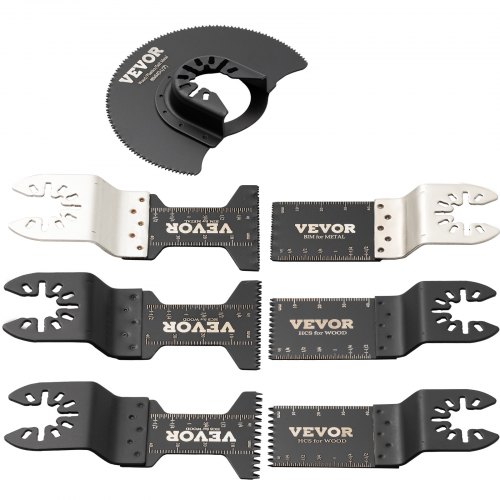
It all boils down to the blade at the end of one multitool, dozens of jobs. For cutting wood, metal, plastic, drywall, and nail-embedded material, VEVOR oscillating tool blades come in bi-metal, Japanese tooth, and high-carbon steel profiles. The series stays sharp for plunge cuts, flush cuts, and detail work, with universal quick-release fittings and kits ranging from compact assortments to hundred-piece stocks, so professionals and DIYers can finish cleanly without switching tools or searching for the right blade.
VEVOR Oscillating Tool Blades for Wood, Metal, and Plastic Cutting
Uncertain about which blade to use for your upcoming cut? The proper profile makes the process quick and tidy, whether you are notching PVC, cutting through embedded nails, or flush-trimming door casings. One multi-tool can handle wood, metal, and plastic throughout the entire project thanks to VEVOR oscillating tool blades that combine bi-metal, Japanese tooth, and HCS designs with universal quick-release fitment. Choose the tooth type and kit size that best suit your job from the selection below.
Blade Types and Materials: Bi-Metal, Japanese Tooth, and More
The cut you receive depends on the blade you mount. Below, we break down the primary tooth and material types, along with the tasks each excels at.
Bi-Metal Blades for Metal, Nails, and Tough Jobs
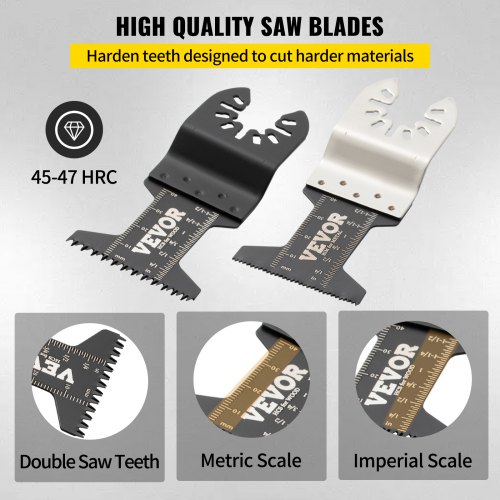
Bi-metal blades are ideal for cutting metal. To keep the teeth sharp against nails and soft metal while the flexible body helps resist snapping under stress, these blades fuse a high-speed steel edge to a flexible spring-steel body.
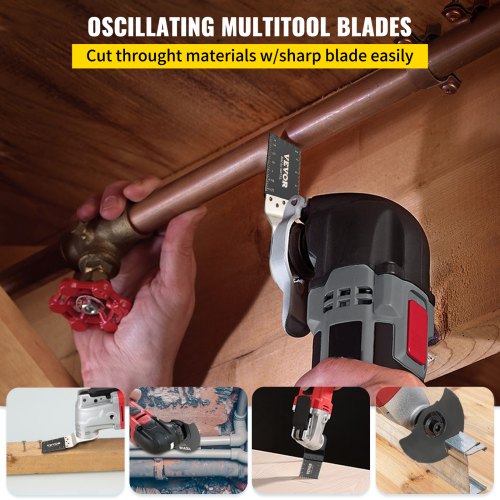
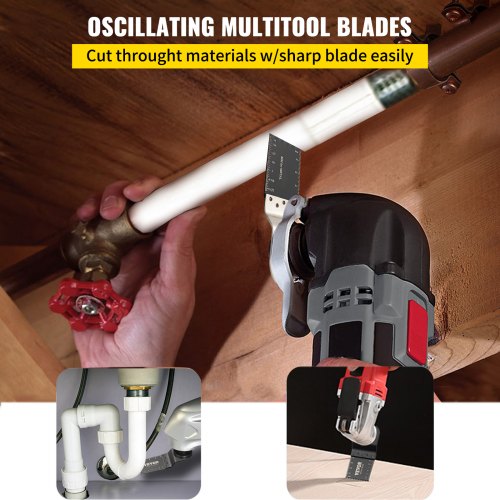
VEVOR bi-metal oscillating saw blades are designed to cut through thin steel, nail-filled wood, fasteners, and embedded nails during renovations. Where a standard wood blade would dull in a matter of seconds, a special oscillating tool metal cutting blade cuts plumbing straps, door jambs, and flush trim.
These oscillating tool blades withstand the abuse that deteriorates smaller edges during demolition and repair. You may continue cutting without pausing to replace a worn blade because the deep, long-lasting tooth pattern clears chips quickly and resists heat buildup. A bi-metal profile deserves a spot in the kit if your work involves wood and hidden fasteners because it lets a single tool move through various materials without issues. Because of this durability, remodelers always include a couple of bi-metal blades in their kits.
Japanese Tooth Blades for Fast, Clean Wood Cuts
Japanese tooth geometry is difficult to match for woodworkers who desire speed and a flawless finish. The Japanese-tooth design provides fast, clean cuts in wood with reduced tear-out.
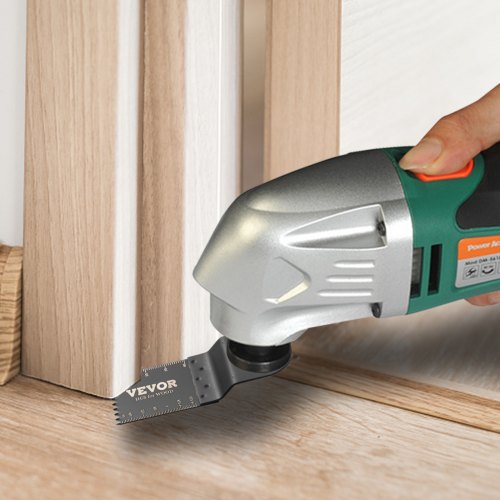
When working with hardwood, plywood, PVC, and trim, VEVOR Japanese tooth oscillating blades leave edges clean enough to require little sanding. For this reason, they are the preferred option for notching studs or flush-cutting door casings when aesthetics matter as much as speed.
These oscillating tool blades complete cuts in fewer passes, saving time and lowering heat since the teeth bite firmly. Coarser patterns clear softwood faster, while fine-pitch versions leave the cleanest surface. A set of Japanese tooth blades delivers both speed and a clean finish from a single profile if most of your work involves wood and plastic. This is precisely what trim carpenters search for on finish-critical assignments where a rough edge necessitates additional sanding.
HCS Blades for Everyday Wood and Plastic
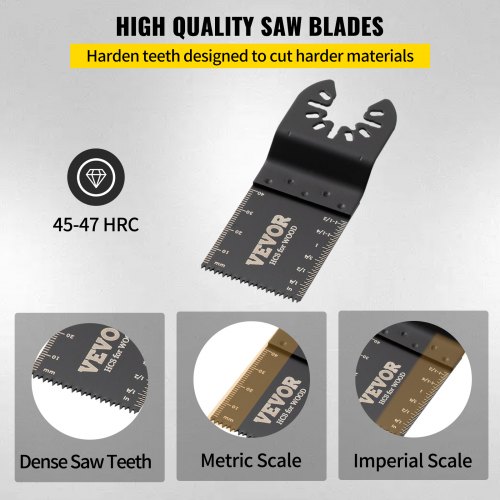
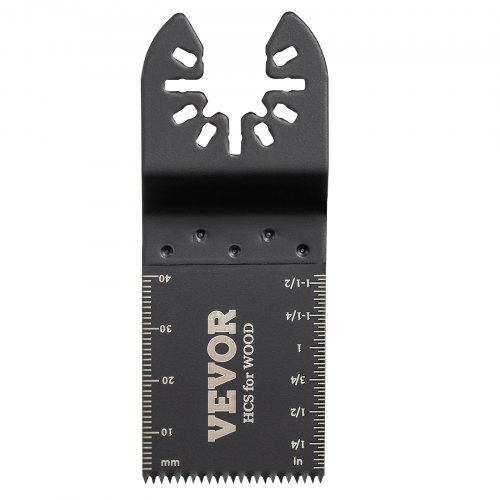
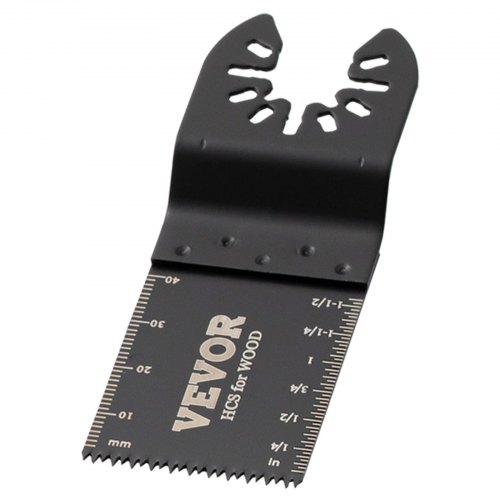
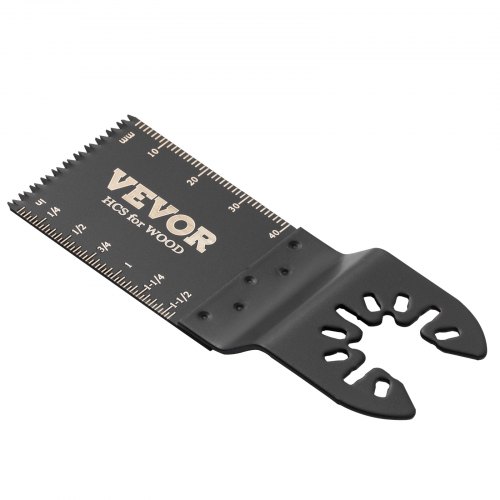
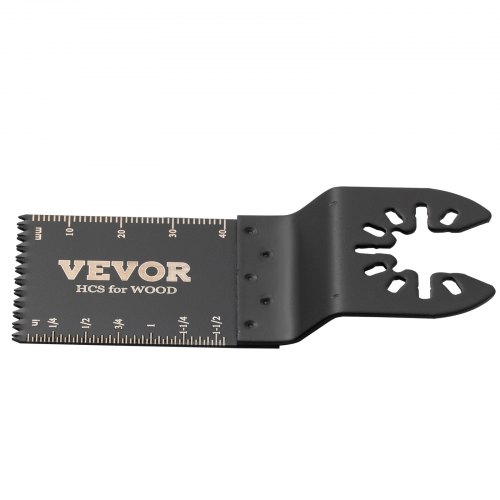
The mainstay of plastic and ordinary wood is high-carbon steel, or HCS. HCS is used in many blade assortments because it takes a sharp edge, cuts cleanly, and keeps kits reasonably priced.
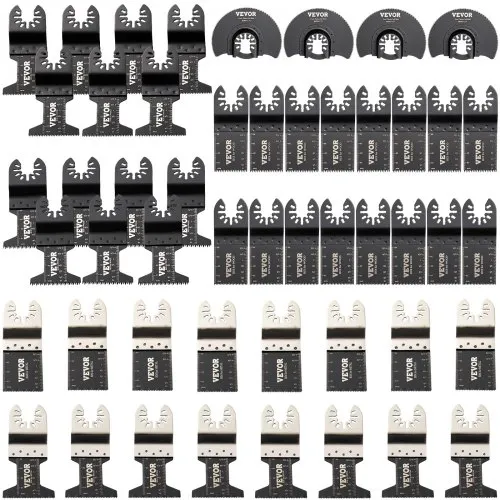
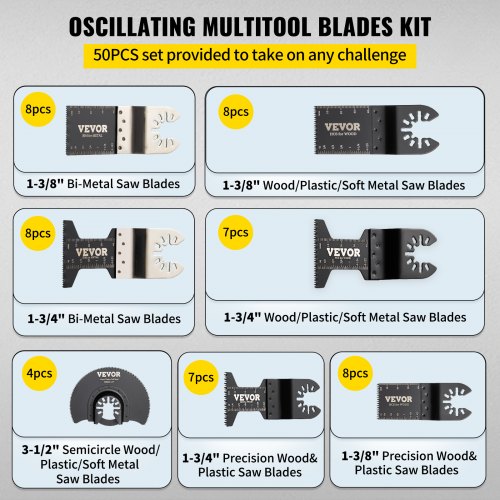
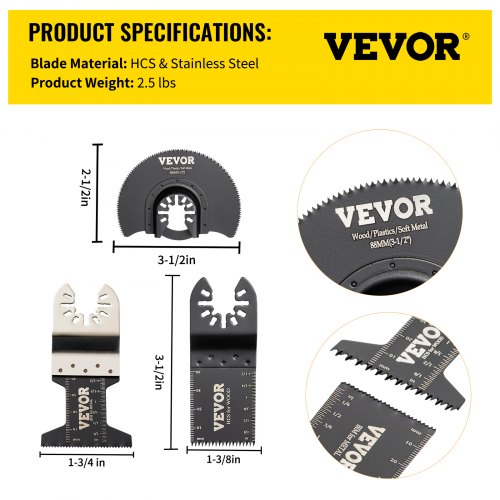
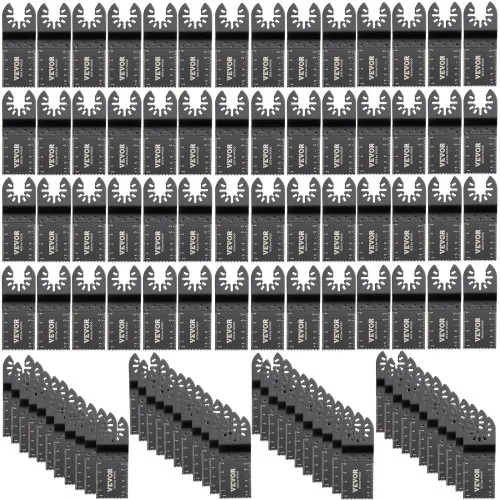
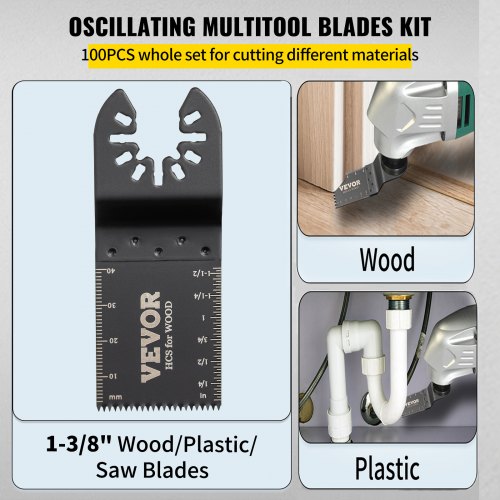
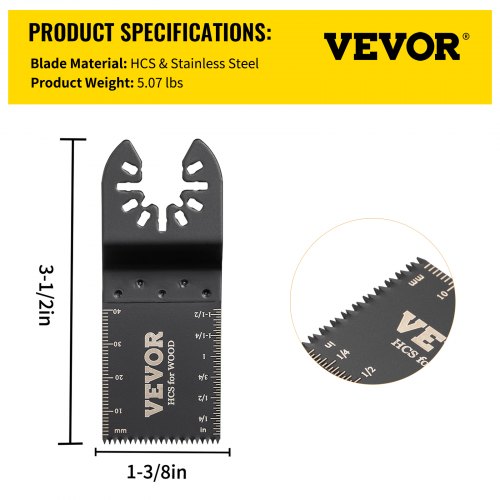
VEVOR's 100-piece HCS set and 50-piece wood and metal kit cover plunge cuts, flush cuts, and trimming across softwood, laminate, drywall, and plastic. Most oscillating multi-tool work consists of routine tasks, which these oscillating saw blades excel at.
Because HCS is inexpensive, you can easily replace a dull edge to maintain precise, crisp cuts. These oscillating tool blades offer dependable performance at a reasonable cost for do-it-yourself projects and general renovation, and having a large inventory ensures that you never have to stop a project to find a replacement. For the smoothest outcome, match the tooth pitch to your material; for delicate trim, use a finer blade.
Matching Blade Type to Your Material
Choosing between the three major families depends on the material in front of you. HCS or Japanese tooth blades are superior for clean wood and plastic; bi metal is always the best option for anything involving metal.
Consider the hardest obstacle the blade will encounter. For mixed light-duty work, a 50-piece wood, plastic, and aluminum set is sufficient; however, you need a bi-metal edge for heavier metal. You can protect both the blade and the quality of your cut by using oscillating tool blades appropriate for the material.
Having a little range on hand is also beneficial. To quickly transition from rough demolition to fine finish work, professionals frequently carry oscillating tool cutters in many tooth designs. A variety of oscillating tool blades lets one multi-tool handle flooring, trim, plumbing, and framing without stopping to change tools. For rated materials, reading the box reduces uncertainty and helps prevent a blade from dying too soon.
Kit Configuration and Compatibility Across VEVOR Oscillating Tool Blades
Seldom do blades arrive alone, and the equipment you choose determines how prepared you are for the next task. Here's how to weigh fitment and set size.
Choosing the Right Kit Size
The kit size should match how often and how widely you cut. While a big 100-blade kit is ideal for professionals who use blades frequently, a small 30-piece multi tool blade kit with eight blade varieties covers wood, metal, and plastic for sporadic applications.
VEVOR oscillating tool blades ship in assortments built around real tasks, so a multi tool blade set spans plunge, flush, and detail cuts without gaps. Beyond spares, a larger oscillating saw blade kit ensures a dull blade never interrupts a job.
Consider variation just as much as quantity. Compared to a single profile set, a pack of universal multi tool blades in diverse tooth patterns can handle more materials. For everyday job flexibility, ten carefully selected profiles often outperform fifty similar blades, letting you match the blade to the task instead of settling for a compromise. Therefore, when comparing oscillating tool blades, weigh the number of useful types against the raw piece count.
Universal Quick Release Fitment
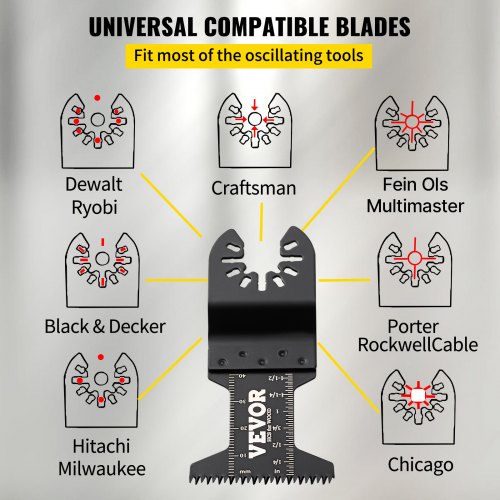
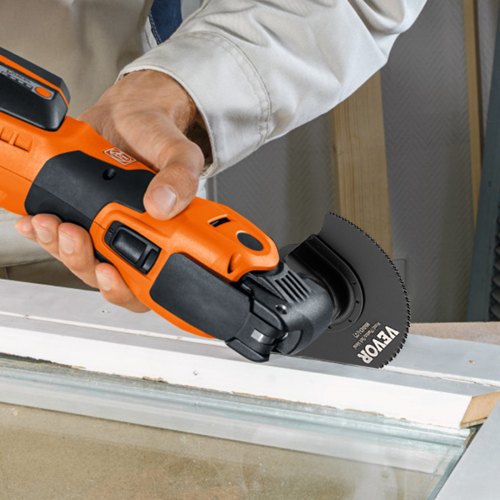
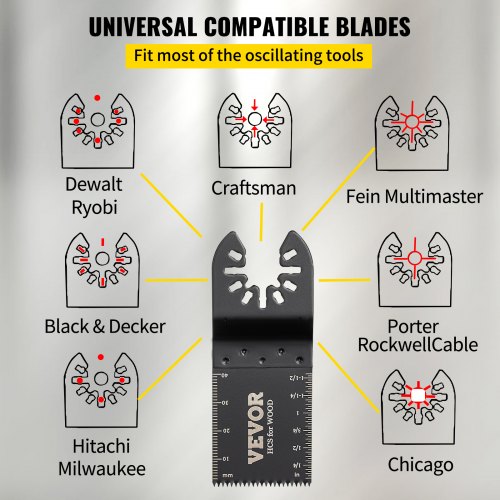
Universal blades shine in their compatibility. The universal quick release arbor on VEVOR oscillating tool blades attaches to DeWalt, Bosch, Milwaukee, Makita, Ryobi, Fein, and other well known oscillating multi-tools without an adapter.
With this fitting, your entire tool collection can use the same universal oscillating saw blades, so you can purchase blades based on the task rather than the brand. You can switch profiles mid-task without extra tools or hassle, thanks to the quick-release bi-metal set, which installs quickly.
Practical add ons complete the system. While high-quality oscillating multi tool bits and multi tool metal blades expand a single tool's capabilities, some kits also include oscillating tool bits, scrapers, and sanding pads. The best oscillating tool blades keep you cutting instead of dealing with mounts, and VEVOR oscillating tool blades often combine wide compatibility with quick changes. Explore matching oscillating tool attachments to complete your kit and get more from a single multi-tool.
Why Choose VEVOR Oscillating Tool Blades?
Ready to make each cut faster and cleaner? A single multi-tool can easily cut wood, metal, plastic, and nail-embedded material thanks to VEVOR's universal quick-release kits that combine bi-metal, Japanese tooth, and HCS blades. Sharp, long-lasting edges, wide brand compatibility, and prompt after-sales assistance are all available at value-driven prices. Prepare a new blade for whatever the next task presents by stocking up on the profiles your projects require today.
FAQs
Which blade should I use to cut metal?
Choose a bi-metal blade. Its high-speed steel teeth cut nails, bolts, and thin or soft metal without dulling, while the flexible body resists snapping. Standard HCS wood blades wear out quickly on metal, so keep bi-metal on hand for those jobs.
Are VEVOR blades compatible with my multi-tool?
Most likely, yes. The universal quick-release arbor fits DeWalt, Bosch, Milwaukee, Makita, Ryobi, Fein, and many other popular brands without adapters. Check your tool's mount style against the listing, then snap blades on and off in seconds.
What is the difference between HCS and bi-metal blades?
HCS blades are economical and cut wood and plastic cleanly, ideal for everyday work. Bi-metal blades add a high-speed steel edge for nails and metal and flex without breaking. Match the material to the blade for the best results.
How do I make my blades last longer?
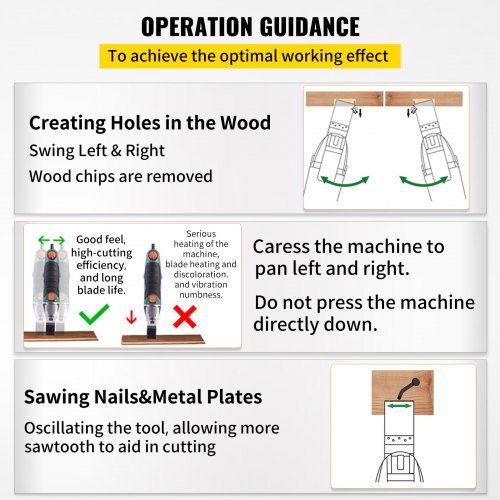
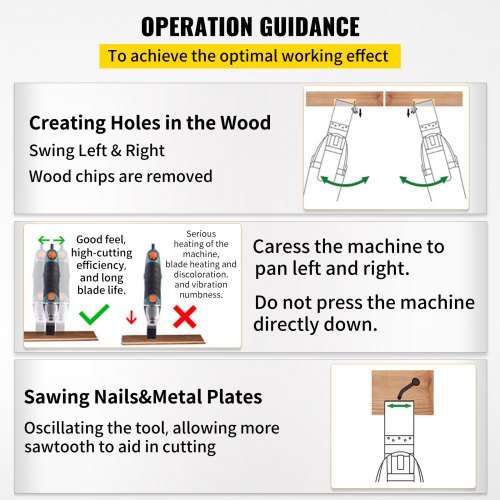
Let the tool do the work without forcing it, match the blade to the material, and pause to avoid overheating the teeth. Clean off pitch and debris after use, and store blades dry to prevent rust and premature dulling.