
VEVOR offers a full line of pressure washer parts, including pumps, wands, nozzles, hoses, and the attachments that go with them. This section includes pressure washer pumps, telescopic wands, extension wands, hose reels, nozzles, spray guns, foam cannons, surface cleaners, and accessories for machines needing repair or rebuilding. Whether a seal failed, a hose split, or you’re upgrading to a new nozzle set, VEVOR has the parts that keep a pressure washer running, not sitting unused in the garage. All pressure washer parts listings include fitment details, so you can confirm compatibility before you buy.
Is your machine losing pressure, or has your hose finally split after years of use? VEVOR pressure washer parts include replacement and upgrade parts for gas and electric pressure washers. Replace the pump or the pressure washer hoses, or install a quick connect fitting and get back to work instead of replacing the whole machine because of one broken piece. This category is for the folks who would rather fix a part than buy a new pressure washer.
VEVOR categorizes pressure washer parts by function, so you can find the exact failed part without rummaging through a mixed parts bin.
The pump is the heart of any pressure washer and is often the first thing to go after years of hard use. VEVOR’s pressure washer pumps include replacements for gas and electric units, and they’re sized to match specific GPM and PSI ratings so the new pump doesn’t over- or underpower the rest of the machine. First, check the rating on the original before ordering your pump. A mismatched pump isn't as important as the highest number available. A mismatched pump either starves the system of pressure or puts too much strain on the motor.
Pressure washer unloader valves are a component of the pressure washer pump system that lets water flow around the pump when the trigger isn’t being pulled, so pressure doesn’t build up and damage the seals or hoses. If the pump is good, a common cause of surging, stalling, or an inability to hold steady pressure is a worn unloader valve. You can typically replace this part for much less than the pump it protects, and it’s worth checking first if a machine starts acting up, since the symptoms of a bad unloader valve and a failing pump look similar without opening the housing. Both parts are common in this pressure washer parts category and are well worth keeping in stock for any machine used often.
You need the right wand to reach a second-story window or a tall fence line without a ladder. The pressure washer telescoping wands are extendable and retractable for on-the-fly reach adjustment, which is great for anyone cleaning multiple surfaces at multiple heights in the same job. They attach directly to the spray gun and typically lock at several length settings rather than sliding freely, so the operator can dial in reach without fighting the wand mid-spray.
Pressure washer extension wands are a more basic solution, offering a fixed-length extension to a regular wand for jobs that always require a little extra reach, like second-story siding or a tall retaining wall. Once attached, they don’t change length, unlike telescoping models, which actually makes them sturdier for repetitive high-reach work because there’s no locking mechanism to wear out over time. Both wand types connect to most machines using standard quick-connect fittings, so check the thread size and connector type before ordering to avoid a mismatch. Both are popular upgrades in the pressure washer parts lineup for anyone doing a lot of work at variable heights.
The attachments at the end of the wand determine the spray pattern and detergent application. Pressure washer nozzles control the spray angle, from a narrow, aggressive stream for stripping paint to a wide fan pattern for rinsing siding without gouging the surface. Most machines have color-coded nozzle tips, so matching the color to the job, not guessing, prevents accidental surface damage on softer materials such as wood or vinyl.
Pressure washer spray guns are the trigger assembly that everything else connects to, and a worn gun can leak at the seal or stick under pressure, making the machine harder and less safe to operate. For those who regularly wash their vehicles or homes, pressure washer foam cannons replace a standard nozzle and mix detergent with water to coat a surface in thick foam before rinsing, reducing scrubbing. Completing the group are pressure washer surface cleaners, which use a rotating bar beneath a protective housing to clean flat surfaces evenly. These four attachments make up one of the most frequently replaced groups in the pressure washer parts category.
A pressure washer's reach is key to its effectiveness, and that depends on the hose. Pressure washer hoses are flexed and cycled constantly under pressure, meaning they wear out and crack long before most other parts of the machine, especially at the connection points. Verify that the hose’s PSI rating matches the machine’s output, since a hose rated below the pump's maximum pressure can burst under load.
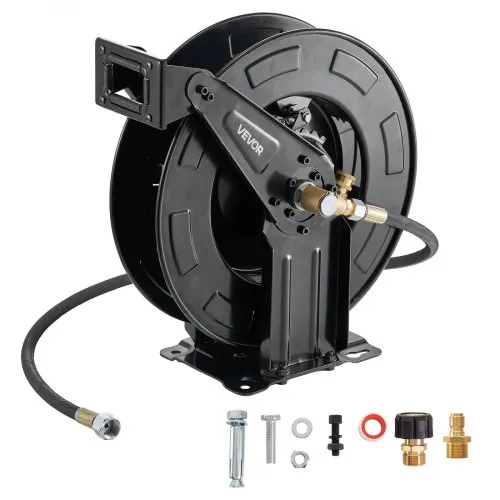
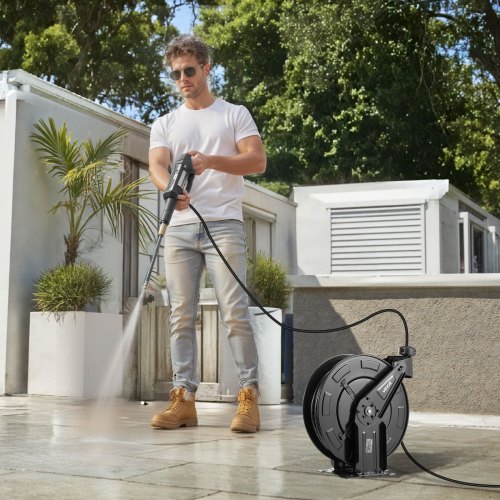
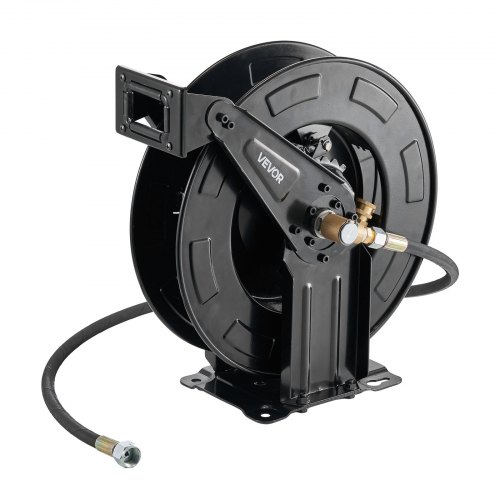
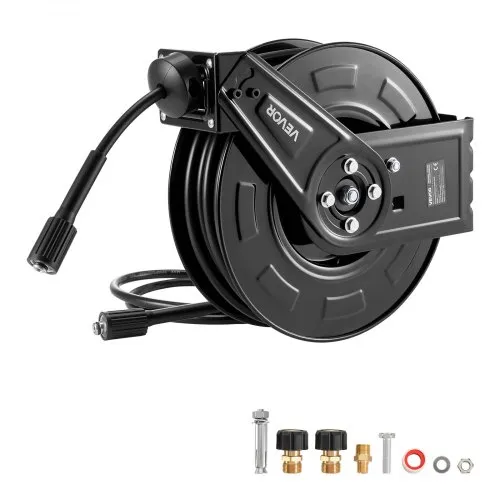
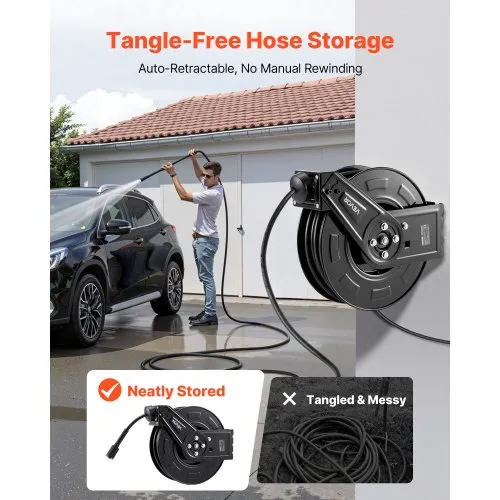
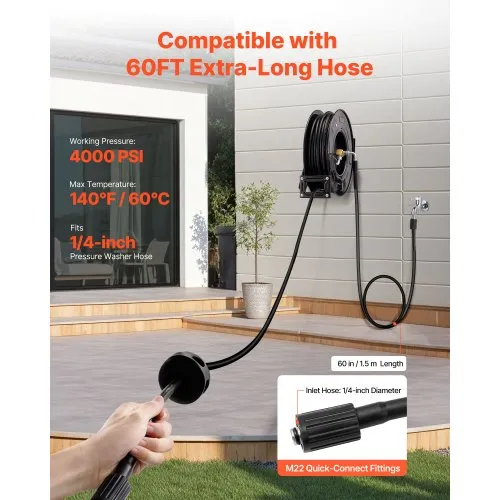
Pressure washer hose reels keep the hose organized between jobs, preventing the kinks and tangles that shorten a hose’s working life when it's loosely coiled or left in a pile. Pressure washer quick connect fittings let you swap wands, nozzles, and hoses in seconds without tools, which is especially important if you are connecting multiple attachments throughout a job or need to switch between a wide fan tip and a surface cleaner mid-job. These fittings are only a small part of the overall pressure washer parts lineup, but a worn or mismatched fitting is one of the most common reasons why a connection leaks at the joint instead of the part itself.
Buying pressure washer parts isn’t just about the type of part; it's about whether it will fit your specific machine and the job you are using it for. Check these items before ordering.
Each pressure washer part has a handful of specs it must meet to work properly. Not doing so is the most common reason a part gets returned. Begin with GPM and PSI ratings on pumps and hoses. Any part rated for less pressure than your machine puts out will fail prematurely or won't hold up under normal use. Thread size and connector type matter just as much, especially on quick-connect fittings, wands, and spray guns, since a slightly different thread pitch won't seal correctly even if it looks like the right fit.
Gas and electric pressure washers generally have different pump designs, so a part made for one may not fit the other, even if the outer housing looks similar. Cross-referencing the original manufacturer and model number with the compatibility listed on each pressure washer parts page will help prevent most fitment issues before they become a return shipment. VEVOR lists GPM, PSI, and connector specs on product pages, so you can compare a replacement part to the original before you buy, rather than guessing and hoping it fits when it arrives.
Not all parts within the same category are created equal, even if the price looks close. Brass fittings and connectors are more corrosion-resistant than plastic ones, especially if you use a pressure washer or store it in a space that sees seasonal humidity swings. Look for a braided or reinforced layer on hoses, because a smooth single-layer hose is more likely to kink and will wear through faster at contact points.
If you are looking at pumps, check whether the model has ceramic or brass pistons. Ceramic runs cooler and lasts longer with heavy use. Brass is cheaper initially, but wears out faster with heavy use. Many surface cleaners and foam cannons have adjustable settings, whether that’s spray width or bar speed, as a fixed setting doesn’t adjust well across different surface types or detergent concentrations. Usually, spending a little extra on pressure washer parts built with these details in mind means fewer replacements over the life of the machine, instead of reordering the same part every season.
VEVOR pressure washer parts include pumps, wands, nozzles, hoses, and every attachment in between, with clear GPM, PSI, and fitment specs so you don’t have to guess before you buy. They offer fair prices without sacrificing materials, whether it’s a replacement unloader valve, a new set of quick connect fittings, or the extra pressure washer accessories to complete the setup. Shop our full pressure washer parts inventory and find the right part for your model. You don't need a whole new machine just because one part is worn.
Compare your current pump GPM and PSI ratings to the replacement, as well as the shaft size and mounting bolt pattern. Matching these specs, not just the price or brand, helps ensure the new pump will perform correctly.
Telescoping Wands: These have a lock that allows you to change the length on the fly, which is great for jobs at different heights. Extension wands are a more durable, no-nonsense alternative to adding a fixed length for consistent high-reach cleaning, such as siding or fences.
Most foam cannons work with standard quick-connect fittings, but check the PSI rating and connector type first. The mismatch in pressure ratings can cause leaks at the connection point or affect the foam consistency.
A common cause of surging or inconsistent pressure is a worn-out unloader valve. The symptoms are often similar. Examine this part before you decide that the pump is bad. You don't need to open the housing.
Replace the hoses at the connection points if you see any cracking, bulging, or leaks. With regular use, this is usually every few years. Always check the PSI rating when replacing a hose to the output of your machine.