Deck Parts & Accessories


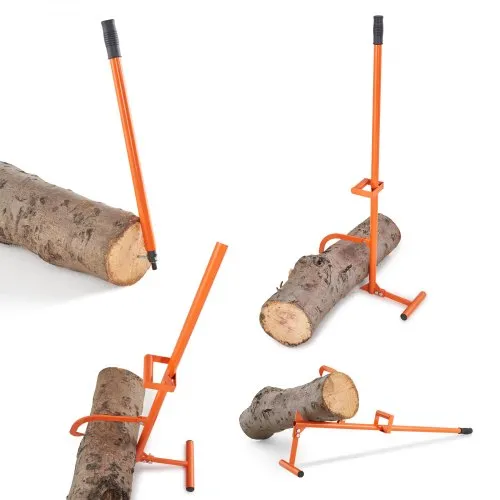
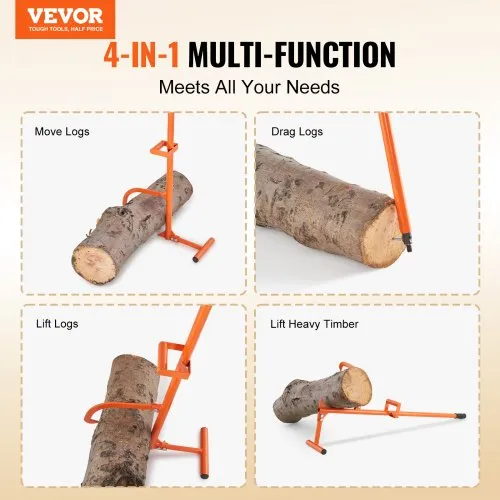
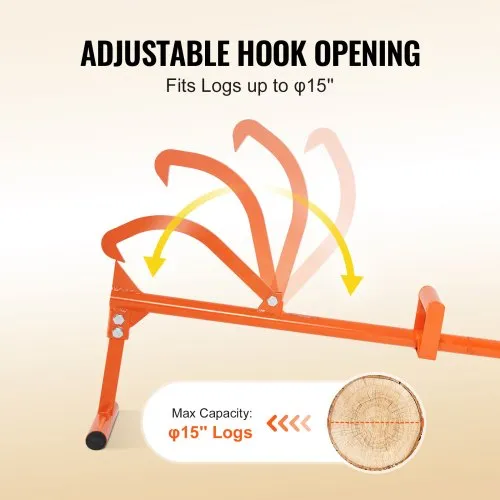

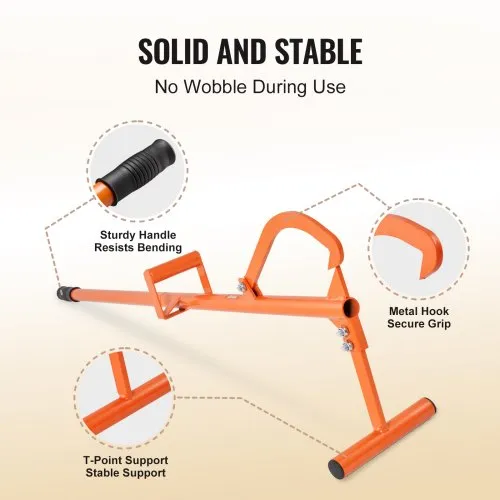



Results for Deck Parts & Accessories
Discover VEVOR's full line of logging tools & equipment, including log tongs, log jacks, timberjacks, timber claw hooks, log lifting tongs, heavy duty log tongs, and log skidding tongs designed for loggers, forestry workers, firewood processors, sawmill operators, and rural landowners managing timber on their properties. VEVOR offers sturdy, well-made logging instruments designed for actual forestry and firewood handling requirements, whether you are lifting, rolling, skidding, or arranging logs for cutting.
VEVOR Logging Tools & Equipment for Lifting, Skidding, and Log Handling
Are you looking for logging tools & equipment that can safely perform the full spectrum of log lifting, placing, and skidding without resorting to haphazard handling techniques that could harm or damage the equipment? For serious rural landowners and professional forestry workers, VEVOR provides log tongs, log jacks, timberjacks, timber claw hooks, and log skidding tongs. Find the ideal lifting capacity and tool type for your specific log-handling requirements right now.
Logging Tool Types and the Lifting Capacities Each One Provides
Every category of logging tools & equipment has a mechanism tailored to a certain log processing task. The safety and effectiveness of any timber movement activity in the field or at the woodpile depend on matching the appropriate tool type to your particular log handling issue.
Log Tongs and Log Lifting Tongs for Secure Log Gripping
Using a scissor-action jaw mechanism that tightens its grip on the log surface as lifting load is applied, log tongs are the main gripping tool for lifting, carrying, and positioning logs during firewood processing, sawmill feeding, and general timber handling operations. This results in a self-tightening connection that becomes more secure as the log being handled gets heavier, rather than releasing under load as hook-based handling methods can. A single operator can swiftly establish a strong connection to a log before lifting or dragging starts, thanks to VEVOR log tongs, which feature hardened steel jaw tips that bite into the log surface sufficiently to prevent slippage without requiring excessive initial effort to set the hold.
The jaw opening ranges of VEVOR's log lifting tongs range from small-diameter firewood billets to large-diameter sawlog sections. Operators choose the jaw size range that covers the majority of log diameters they handle in their particular application, without the jaw opening being so wide that the self-tightening mechanism cannot produce sufficient grip force on small-diameter logs at the lower end of the capacity range. By connecting to tractor three-point linkage, telehandler forks, crane hooks, and manual pulling systems, the chain or cable attachment point at the top of VEVOR log lifting tong assemblies enables the same tool to serve various lifting and dragging configurations used in forestry and firewood operations across different site conditions and available machinery.
Heavy Duty Log Lifting Tongs for Large Timber and Commercial Operations
For commercial forestry, large-diameter hardwood processing, and any log handling application where standard tongs would be loaded beyond their rated capacity due to the weight of individual logs or the rough handling requirements of production-scale timber operations, heavy-duty log lifting tongs offer the higher jaw clamping force, greater structural cross-section, and higher working load limit required. The higher material density and grain continuity of forged components provide greater resistance to the impact loading and cyclic stress generated by commercial log handling during extended daily use in a production forestry environment.
The VEVOR heavy duty log lifting tongs' working load limit is defined as the safe working load, including a suitable safety factor above the assembly's actual failure load. This feature ensures that the tongs can handle the rated log weight during properly conducted lifting and dragging operations without approaching material fatigue or connection failure, which operating lifting equipment at or above its rated capacity risks in every use cycle. The duty rating and structural margin of VEVOR heavy-duty log lifting tongs are specifications that ensure safe, productive, long-term tool performance rather than early failure from cumulative overloading for sawmill operators, commercial firewood processors, and logging contractors who lift and handle large timber volumes daily.
Log Jacks and Timberjacks for Elevated Log Positioning
By raising one end of a felled log off the ground, a log jack or timberjack creates the working clearance beneath the log that is necessary for safe chainsaw bucking. The saw bar must pass through the log entirely without the saw blade contacting the ground at the end of the cut, which could damage the chain and bar and create a hazardous kickback risk due to the sudden obstruction of the blade. VEVOR log jacks improve productivity and safety during solo firewood and timber processing sessions by using a lever or ratchet mechanism that enables a single operator to raise a heavy log from ground contact to a supported elevated position without the need for a second person to hold the log clear while the saw operator works.
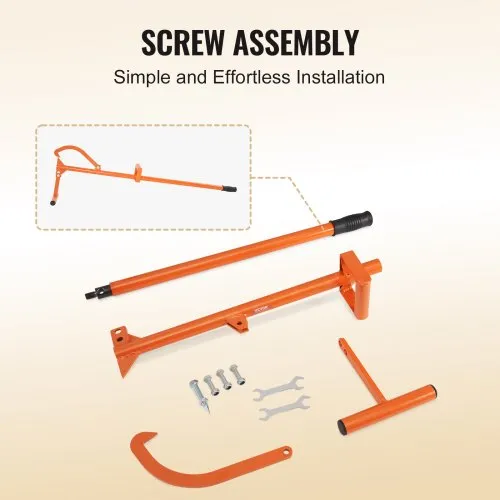
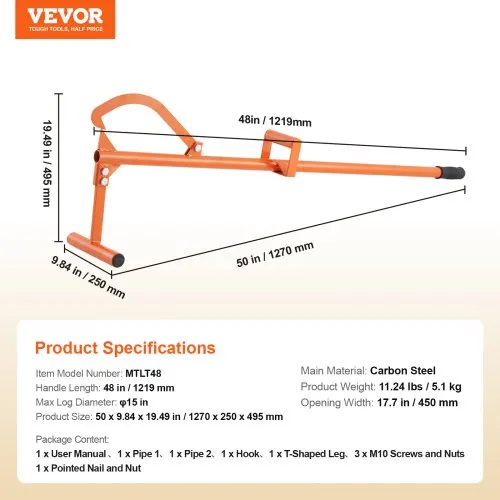
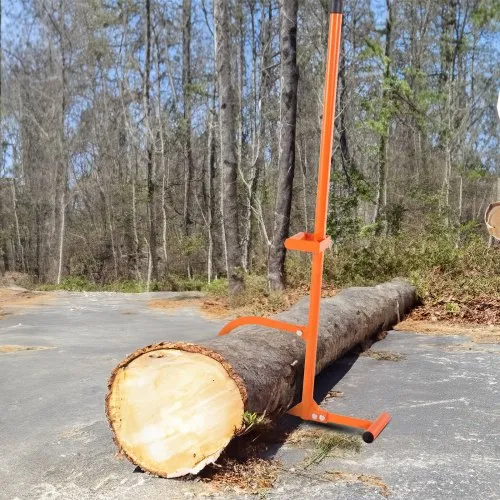
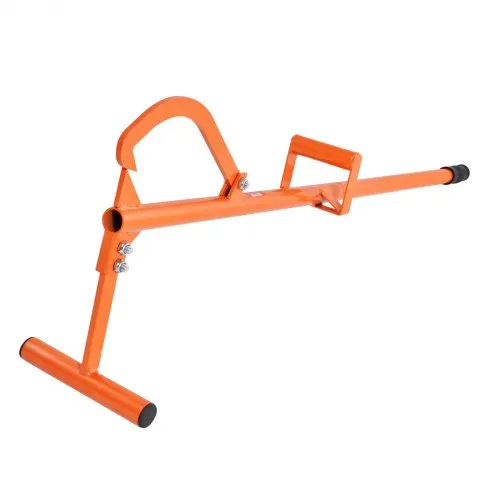
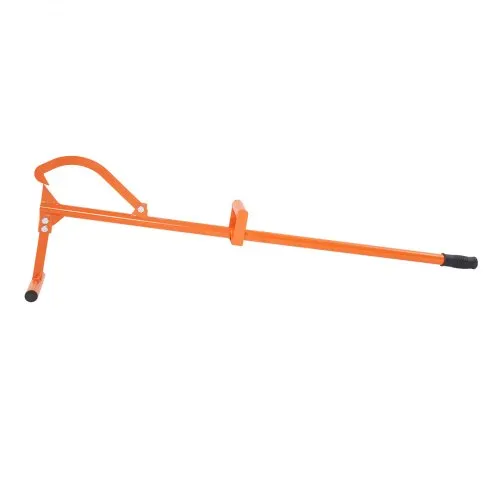
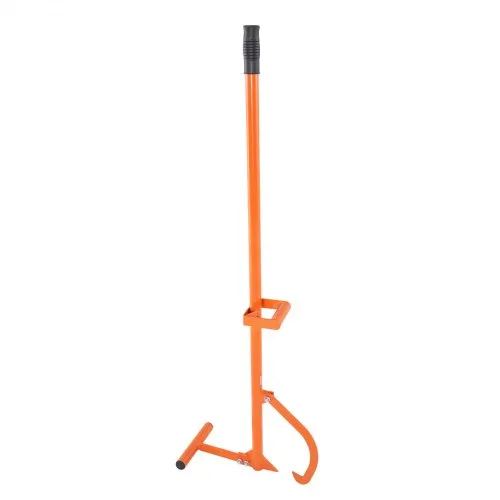
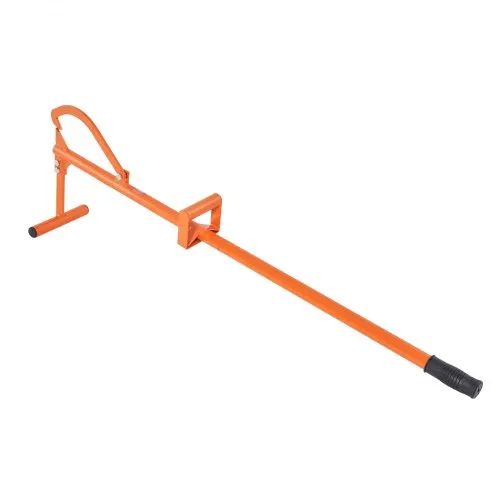
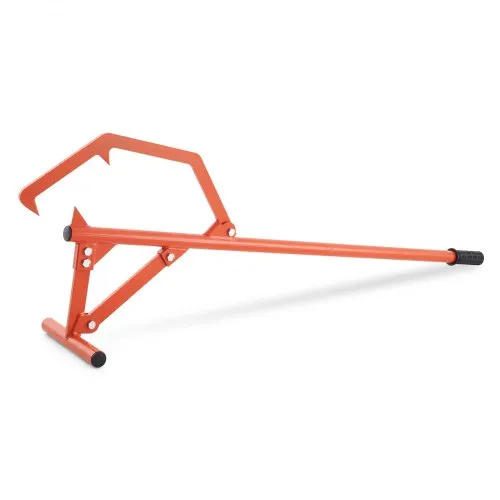
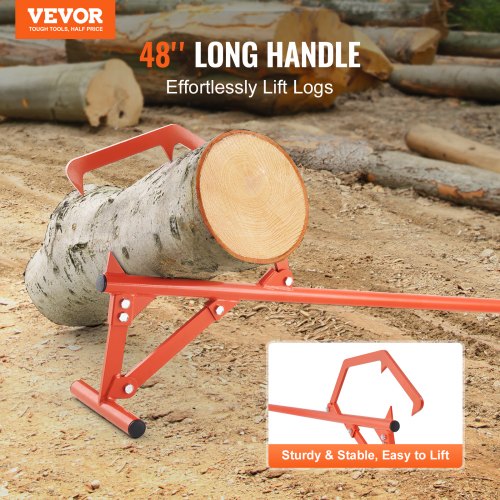
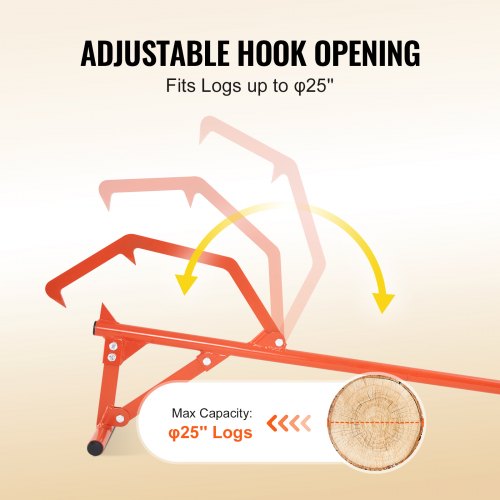
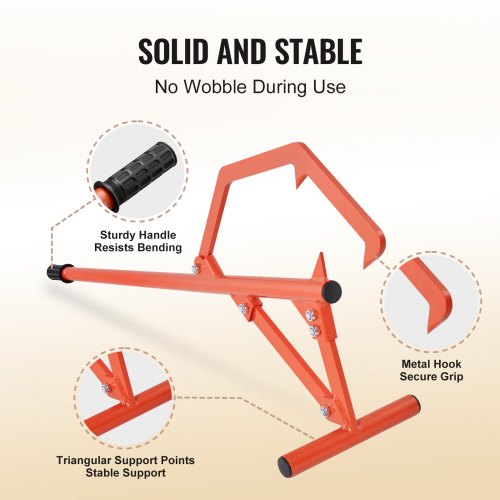
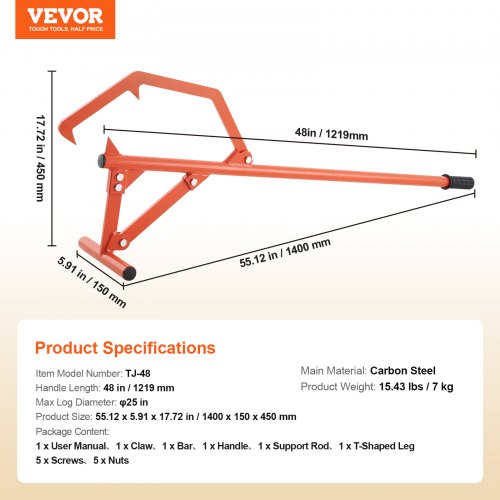
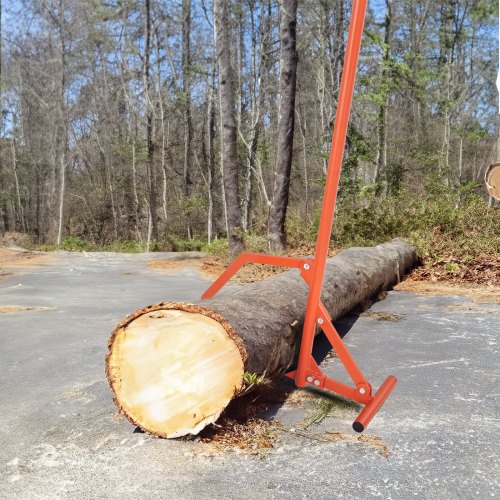
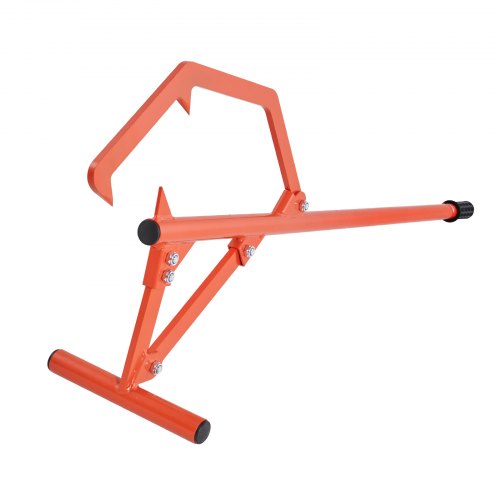
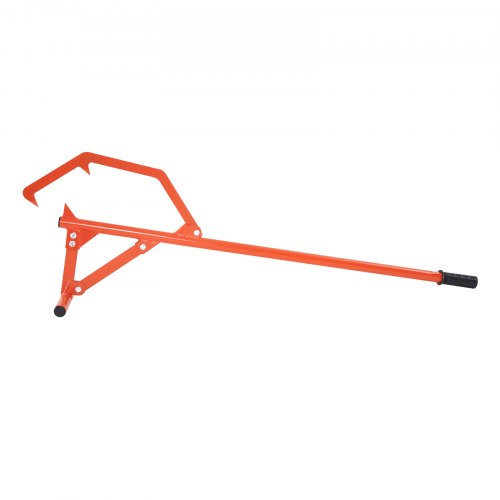
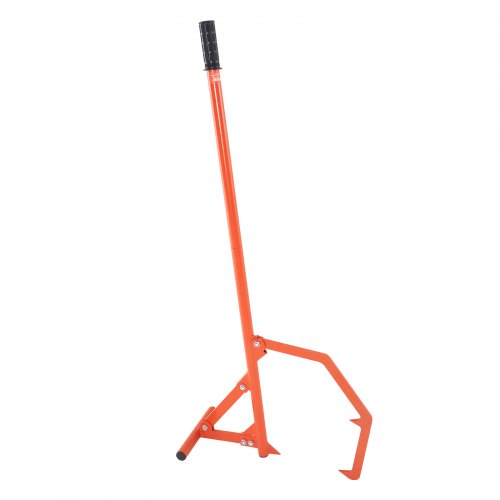
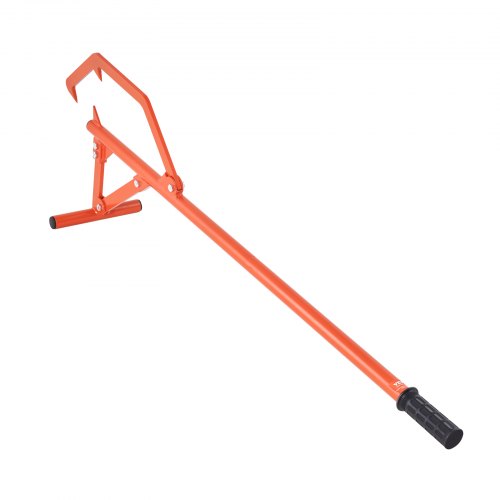
To roll and lift log sections that are substantially heavier than could be moved by direct manual effort without mechanical assistance, VEVOR's timberjacks use a spiked hook at the end of a lever arm that embeds in the log surface. The lever arm pivoting on a ground-contact pivot point provides the necessary mechanical advantage. A VEVOR Timberjack's rolling action makes it possible to move logs laterally on the ground between cuts without lifting the entire log weight. It can also move a long log along its own axis by incrementally rolling it until the next cut position is precisely aligned with the saw operator's working position, eliminating the need for the operator to repeatedly walk around the log during processing.
Log Skidding Tongs and Timber Claw Hooks for Extraction and Dragging
With a ground-facing jaw geometry that bites deeper into the log as pulling resistance from ground friction increases during the drag, log skidding tongs are made to drag felled logs across the forest floor from the felling site to a landing or loading point. Their jaw design is optimized for the lateral pulling loads of skidding rather than the vertical lifting loads that lifting tong designs must withstand. The heavy-duty clevis or shackle attachment that connects VEVOR log skidding tongs to tractor drawbars, ATV tow hitches, and winch cables disperses the skidding load throughout the entire tong assembly rather than concentrating it at a single attachment point, which would result in a stress concentration and early failure location during high-load skidding of large timber through rough terrain.
Using a forged steel hook point that swiftly penetrates log surfaces for quick connection in production log handling environments where setup time per log directly affects overall processing throughput, VEVOR's timber claw hooks offer a single-point hook penetration that embeds in the log end grain or side surface for pulling and positioning operations where the full jaw engagement of a tong assembly is not required. VEVOR timber claw hooks are a versatile grab-and-pull option for log positioning jobs that do not need to deploy the entire tong assembly. Their lightweight, compact design makes them convenient to carry and use with other logging tools & equipment during a day's timber operation.
Duty Rating and Features That Determine Logging Tool Performance
Each VEVOR logging tool's duty rating and useful features determine how safely and effectively it manages actual timber weights under the demanding conditions of forestry and firewood labor.
Working Load Limits and Structural Specifications
For any lifting and rigging instrument, such as log tongs, log jacks, and skidding tongs, the working load limit is the most important safety parameter. It specifies the maximum weight the tool can support during regular operations, taking into account the safety factor incorporated into its design. VEVOR logging tools give operators a solid foundation for tool selection, aligning tool capacity with the actual log weights encountered in their particular timber species and log diameter range by specifying working load limits that reflect tested structural performance rather than optimistic theoretical values.
A safety margin against the shock loading that happens when a suspended log swings unexpectedly, when a skidding log catches on an obstacle and generates sudden resistance, and when tool condition deteriorates due to wear and surface damage that reduces structural capacity below the as-new specification is provided by choosing logging tools with working load limits that comfortably exceed the heaviest individual logs you handle.
Steel Construction, Surface Treatment, and Practical Handle Features
To prevent the brittleness that overly hard steel can develop under impact and bending loads generated by forestry tool use during normal field operations, steel specifications across VEVOR logging tools use alloy grades chosen for a combination of toughness and hardness that log handling demands. These grades resist impact deformation caused by contact with hard knots, embedded stones, and ground obstacles in steel jaw tips and hook points. In the production of VEVOR logging tools, heat treatment of the jaw tips and hook points results in a hardened surface layer that resists wear and deformation at the gripping and penetration surfaces without making the entire tool section brittle throughout the cross-section.
With handle lengths that provide the mechanical advantage needed to move the rated log weight without excessive operator effort, ergonomic handle designs on VEVOR log jack and timberjack models offer a comfortable grip for gloved hands during the prolonged lever operation required for log rolling and elevation tasks. The structural components of VEVOR logging tools with painted or galvanized surface finishes are resistant to rust, which can be accelerated by outdoor storage and frequent ground and log contact in wet forestry conditions. This feature preserves the tool's appearance and surface integrity, enabling reliable visual inspection for cracks and deformation without surface rust masking the underlying steel condition.
Why Choose VEVOR Logging Tools & Equipment?
For professional forestry workers, sawmill operators, and rural landowners, VEVOR offers a full line of logging tools & equipment, including log tongs, log lifting tongs, heavy-duty log lifting tongs, log jacks, log claw hooks, and log skidding tongs. Every tool offers dependable, safe log handling at every operating scale thanks to its heavy-duty steel design, transparent working load ratings, and affordable prices. Your logging equipment is ready for every timber-handling task thanks to VEVOR's dependable after-sales support. Look over the entire selection now.
FAQs
What is the difference between log lifting tongs and log skidding tongs?
Log lifting tongs have a jaw geometry that prevents opening under suspended log weight, making them ideal for vertical lifting loads. Log skidding tongs have a jaw shape that bites deeper as ground friction increases during the skid, making them ideal for pulling loads horizontally during ground-dragging operations. For safe and secure log handling, choose the appropriate tong type for each application.
How do I select the correct log tong jaw size for my log diameter range?
Instead of setting the jaws at maximum opening, where the self-tightening grip force is reduced, choose log tongs with a jaw opening range that covers your most typical log diameters. For every jaw size, VEVOR log tongs provide minimum and maximum log diameters, so you can compare them directly with the log sizes you deal with most frequently in your business.
When should I use a timberjack instead of a log jack?
In between cuts, roll and move logs laterally along the ground surface using a timberjack. To generate chainsaw clearance beneath a log during bucking, raise one end of the log using a log jack. During individual firewood and timber processing sessions, both tools complement one another and handle distinct facets of the same log processing procedure.