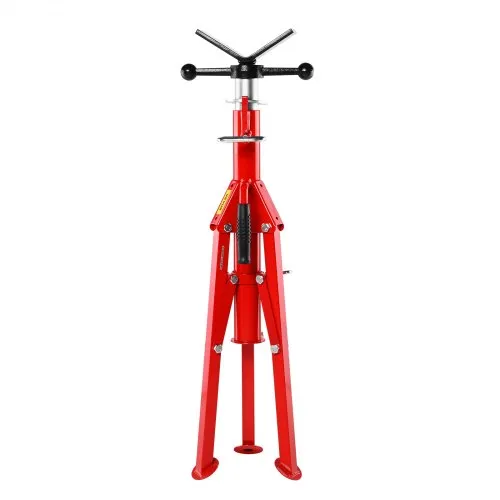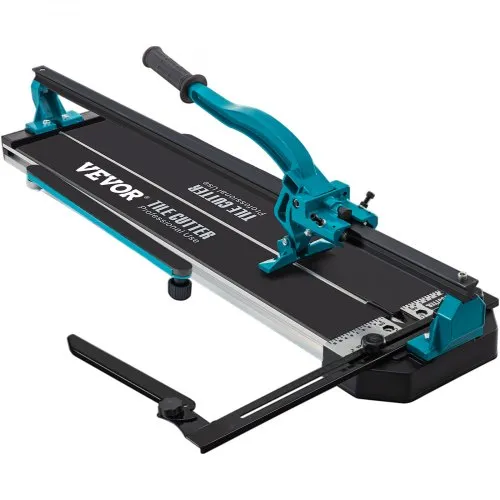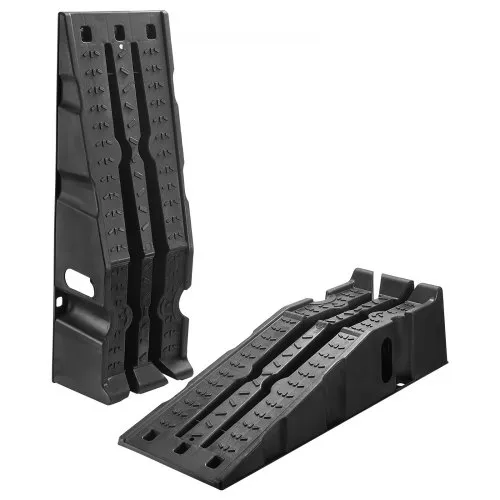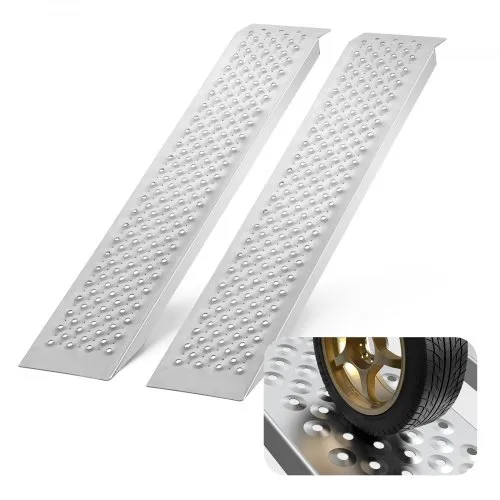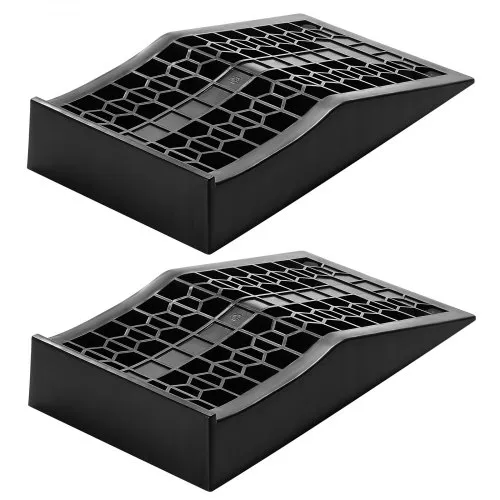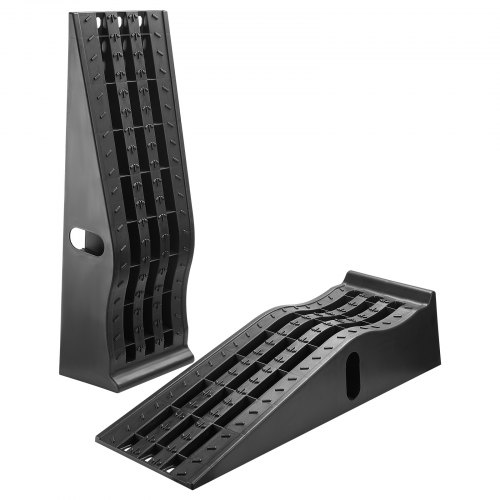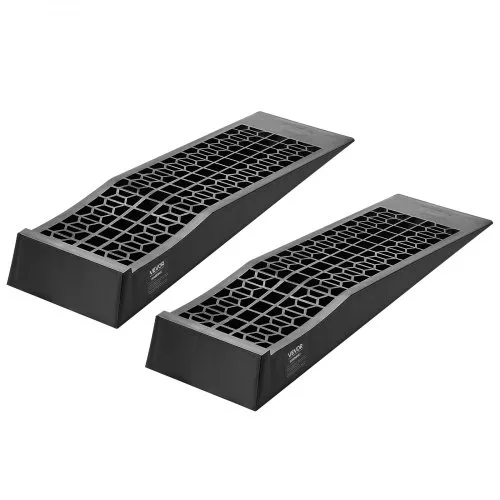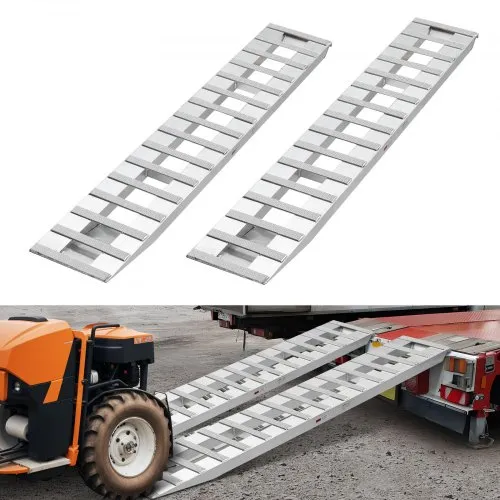


Home mechanics and professional shops can safely and steadily raise a car for undercarriage repairs, inspections, and oil changes with VEVOR car ramps. Choose the ideal ramp for your clearance and workload from our selection of straight, arched, low-profile, high-profile, and hydraulic designs. These car ramps are made of lightweight aluminum and sturdy steel and can accommodate trucks, SUVs, and regular automobiles. VEVOR provides versatile coverage with the power and grip you need, no matter what you drive or where you work.
Do you need a reliable way to raise your car without a heavy lift? Accessing the undercarriage safely in confined spaces and open driveways is a common problem that VEVOR car ramps address. Our ramps handle the essential tasks that keep your cars running, from quick oil changes and brake repairs to loading equipment and clearing curbs. Get long-lasting, reasonably priced assistance for each project by selecting the profile, material, and capacity that best suit your operation.
Understanding how type and profile affect clearance, stability, and usability is the first step in selecting the right ramp. To help you match a design to your car and storage area, we have broken down the major designs below.
How much space you gain and how easy the climb feels depend on your profile height. Sports cars, lowered cars, and any other vehicle with restricted ground clearance are suitable for low-profile service ramps. Their shallow approach angle lifts the tires enough for manual work while letting bumpers and air dams pass safely. For longer repairs, high-profile service ramps lift the car higher, giving you more room to slide beneath it and work comfortably.
For trucks, vans, and SUVs that need space to access the gearbox, exhaust, or oil pan, this extra lift is ideal. It comes down to reach and clearance when deciding between these two. Prioritize a shallow approach if your car is low. A taller ramp for car provides the desired height without adding complexity if you need working depth beneath the chassis.
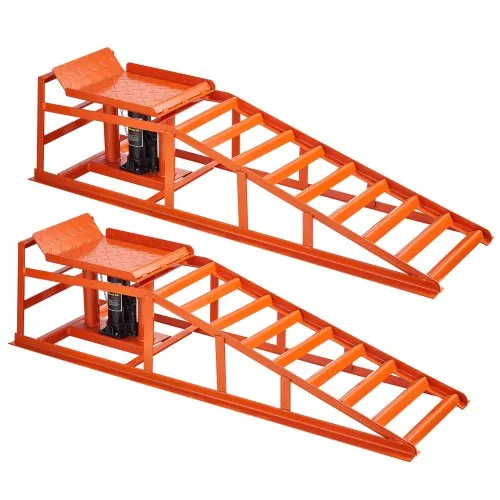
Hydraulic car ramps enhance the drive-on idea with powered lifting for repair shops and enthusiasts seeking more convenience. Once the vehicle is in position, hydraulic lifting car ramps raise the platform to a working height instead of relying solely on a fixed incline. This powered feature combines with a movable frame in portable hydraulic car ramps, letting you move the setup around the garage or to another area.
Strong frames and greater lift ratings are the main features of heavy duty hydraulic ramps for demanding, regular use. A hydraulic car ramp lift, also known as an auto ramp lift, provides height adjustment without requiring a permanent installation, bridging the gap between simple ramps and full lifts. Hydraulic auto ramps and hydraulic ramps for cars provide controlled elevation while maintaining the familiar drive-on process that makes car ramps and lifts so useful if you desire flexibility.
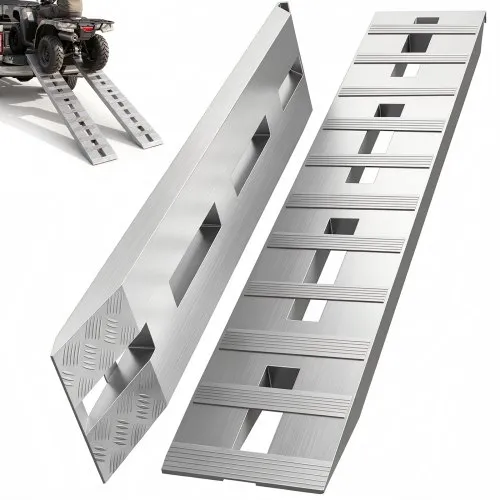
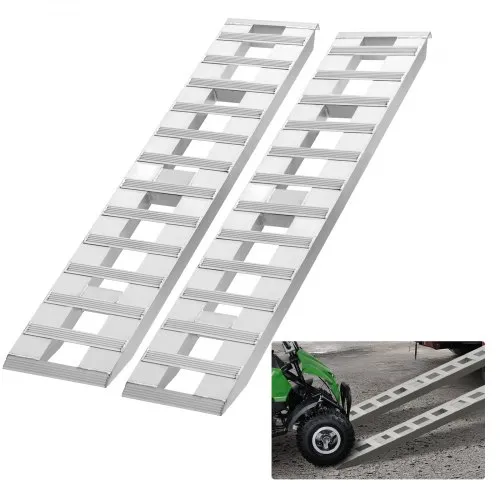
Not all jobs require chassis maintenance, and VEVOR also supports loading and access needs. Folding loading ramps and tri-folding ramps are perfect for truck beds and trailers because they collapse for compact storage and transport. Aluminum loading ramps are robust enough to withstand repeated loads while staying lightweight.
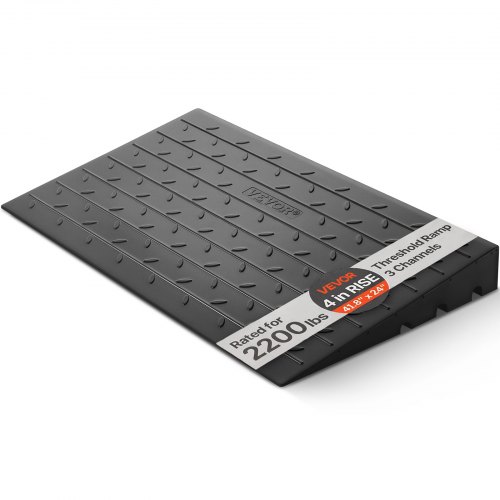
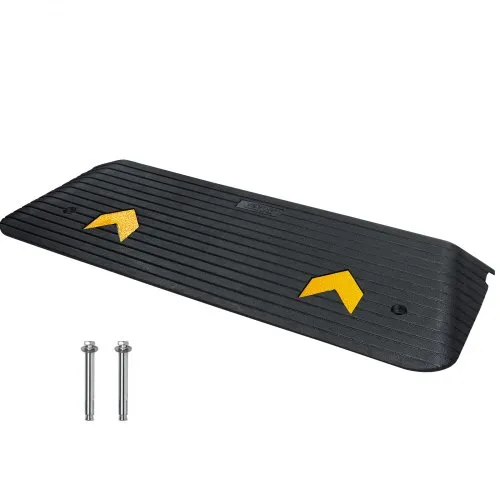
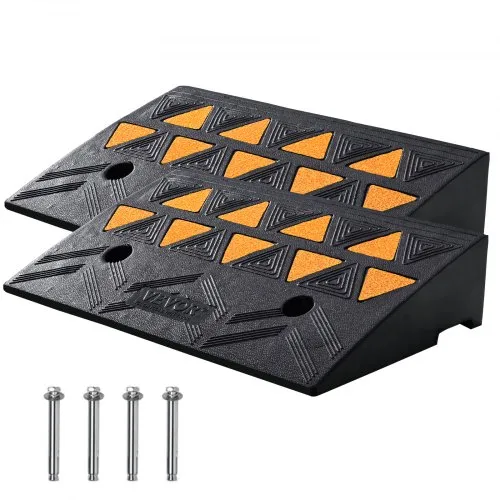
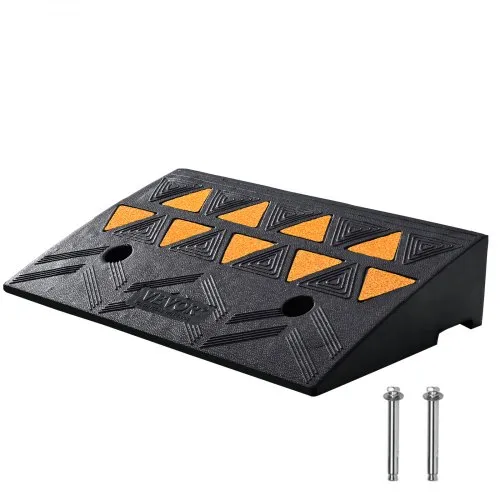
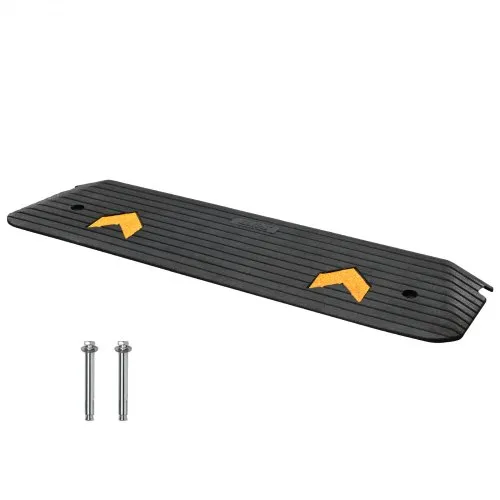
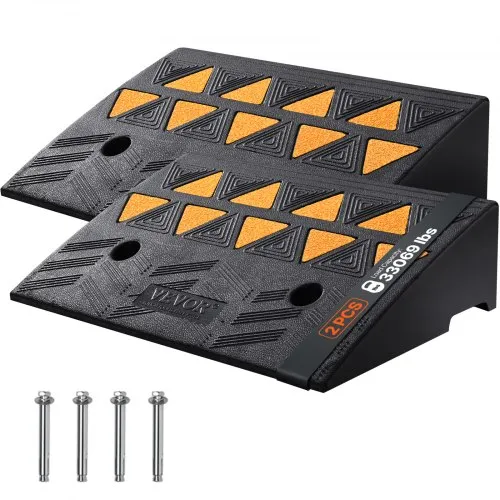
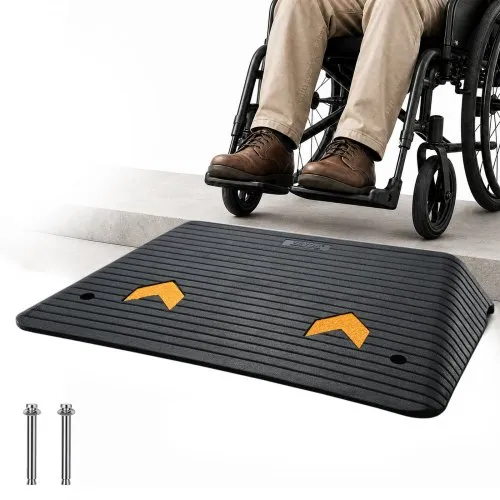
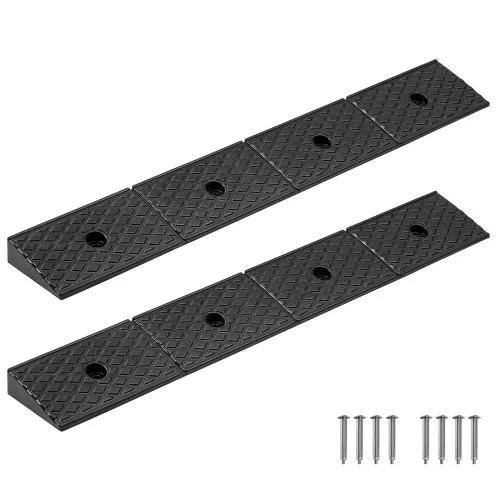
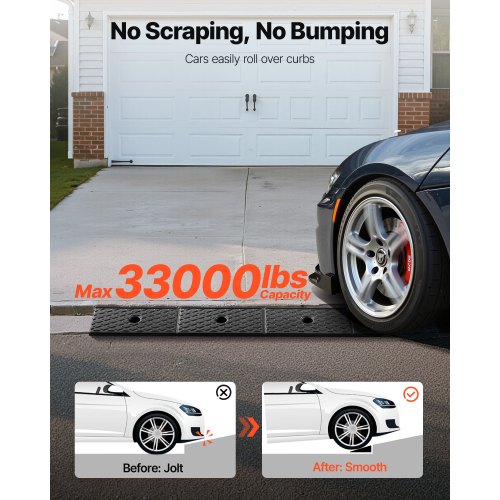
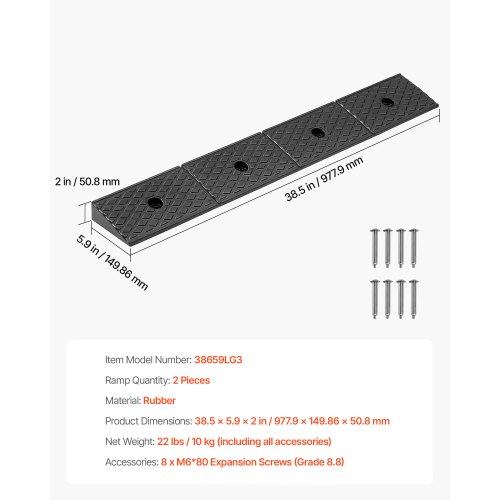
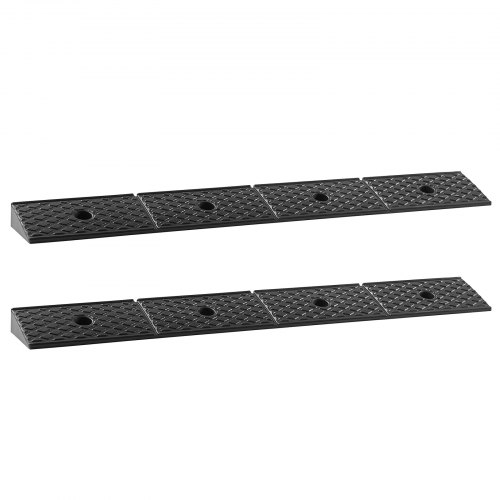
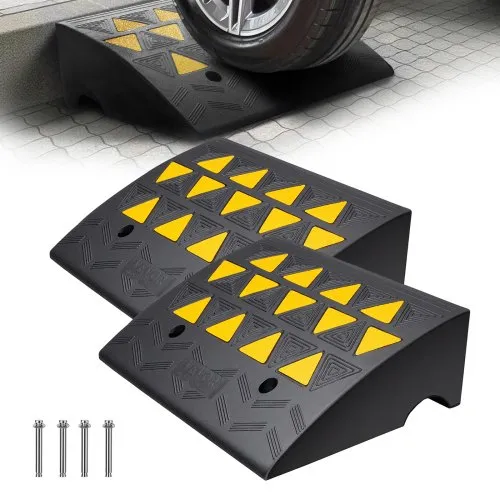
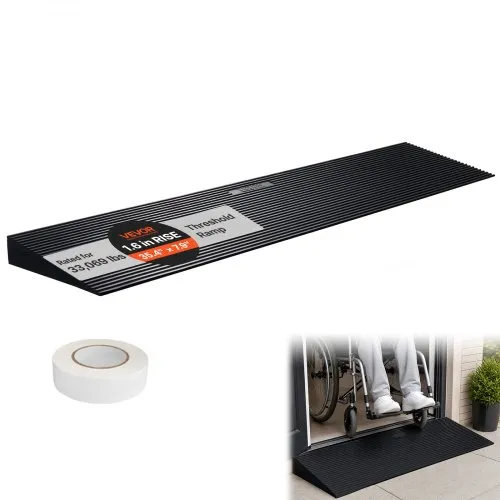
Motorcycle ramps, ATV ramps, UTV ramps, UTV ramps and scooter Ramps offer safe inclines for rolling equipment on and off for mobility and powersports. Wheelchair ramps increase accessibility, while curb Ramps and threshold Ramps smooth away elevated edges for cars and equipment. VEVOR car ramps cover the full range of loading, service, and access tasks, whether you choose lightweight aluminum for portability or metal ramps for durability.
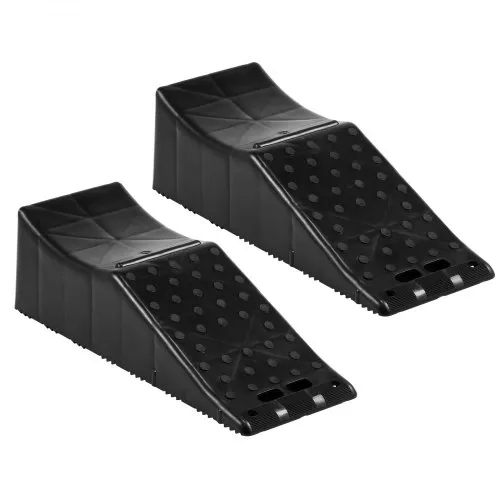
For normal automobiles, trucks, and SUVs with average ground clearance, straight ramps provide a straightforward, consistent incline. Drive on car ramps are easy to ascend and position on flat surfaces because of their constant angle. To let cars with longer front ends or sportier bumpers clear the ramp without scraping, arched Ramps feature a curved incline that lowers the approach angle at the base.
When tires roll uphill, this shape distributes contact more evenly. You can do routine maintenance on either type with a solid, reliable base. When comparing ramp options in these two categories, consider your car's clearance and the service you do most often, such as oil changes, exhaust checks, or basic garage inspections.
The appropriate car ramps also depend on where you intend to use them and how much weight they can support. This section helps you match capacity ratings to your job.
The most important specification to check before buying is weight capacity. Every ramp has a rated load, and for a safe margin, your car's total weight should be comfortably below that figure. Standard rated ramps work well for lighter sedans and compact cars, but larger trucks, vans, and SUVs require stronger frames and higher capacity. For large cars, heavy duty hydraulic ramps and car metal ramps usually have the highest ratings.
Since ramps support one axle at a time, always verify the per-axle load, not just the overall capacity. Include a buffer for any tools, liquids, and items that may still be inside the vehicle. By matching capacity to your real load, drive on car ramps maintain stability during operation and protect both your car and you during the task.
The right ramps depend on what you do every day. You can quickly change the oil and do other maintenance at home with straight or arched drive on ramps. Trucks need high-profile options for more clearance, while lowered cars need low profile options. Auto ramp lifts, also known as hydraulic car ramps, are often useful in repair shops that need to move items around quickly and easily for a variety of tasks. Portable hydraulic car ramps help techs move between bays or locations.
Specialized ramps can handle curbs, thresholds, and mobility needs, and folding and aluminum ramps can safely move equipment for powersports and loading. When choosing, consider how often you use them, how big they are, and how much space you have. By matching the right design to your needs, VEVOR makes sure its car ramps work well in everyday life and last a long time.
VEVOR has a wide range of straight, arched, low-profile, high-profile, hydraulic, foldable, and specialty car ramps to fit any vehicle and application. Constructed from strong steel and light aluminum, they offer reliable strength at reasonable prices. VEVOR gives you the grip, stability, and space you need, whether you are doing auto repair at home or loading equipment at a busy shop. Explore the full collection now and feel confident moving forward, knowing you will get reliable support after your purchase.
To allow bumpers and air dams to clear the incline, low-profile service ramps have a short approach angle. Before driving on, make sure the ramp is on a level, sturdy surface and check its rated capacity.
For typical clearance vehicles, straight ramps feature a constant, steady incline. Longer or lower front ends can ascend without scraping because of the arched ramps' curved design, which lowers the approach angle at the base.
After a car passes, hydraulic car ramps use a hydraulic system to elevate the platform to a functional height. This eliminates the need to install a permanent, full-size vehicle lift while adding adjustable lift and convenience.
Always check the rated load and per-axle limit because capacity varies by model. Select heavy-duty or car metal ramps for trucks, vans, and larger SUVs, and keep your vehicle's weight well below the maximum.
Yes, folding loading ramps, tri-folding ramps, and aluminum loading ramps collapse for easy transportation and compact storage, making them ideal for truck beds, trailers, and garages with limited space.